


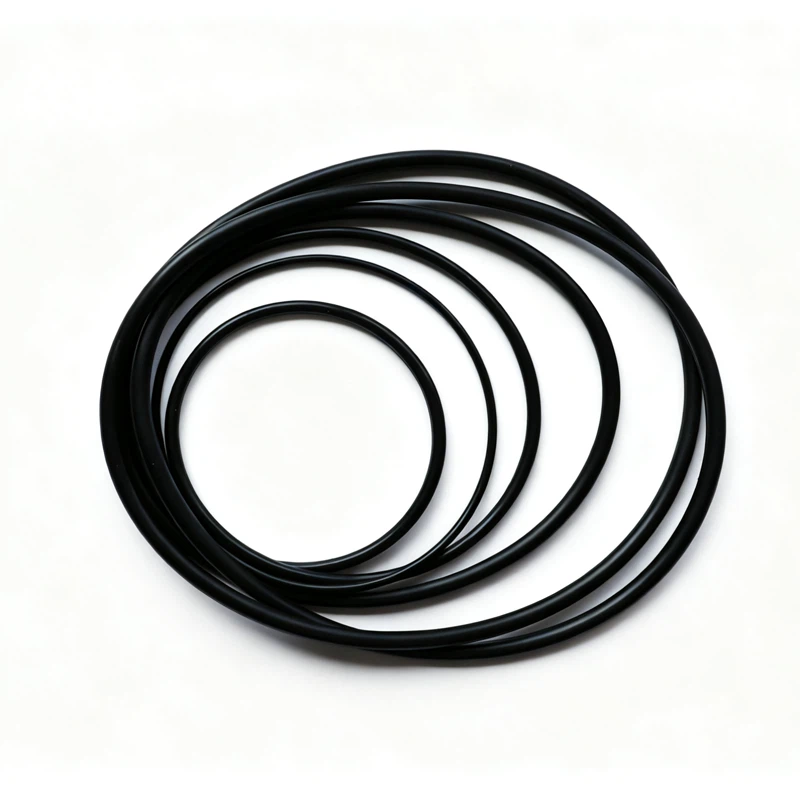
Hey there! As a supplier of Mechanical Dustproof O Rings, I often get asked about the friction coefficient of these little but crucial components. So, I thought I'd sit down and write this blog to share some insights on what the friction coefficient of a mechanical dustproof O ring is and why it matters.
First off, let's talk about what a friction coefficient is. In simple terms, the friction coefficient is a number that represents the amount of friction between two surfaces in contact. When it comes to a mechanical dustproof O ring, this coefficient determines how much resistance there is when the O ring moves against another surface, like a shaft or a housing. It's a key factor in how well the O ring performs its job, which is to prevent dust, dirt, and other contaminants from getting into a mechanical system.
The friction coefficient of a mechanical dustproof O ring can vary depending on several factors. One of the most important factors is the material the O ring is made of. Different materials have different surface properties, which can affect how they interact with other surfaces. For example, rubber O rings are quite common because they're flexible and have good sealing properties. But the type of rubber can make a big difference. Nitrile rubber, for instance, is known for its oil resistance and relatively low friction coefficient, which makes it a great choice for applications where there's a lot of movement. On the other hand, silicone rubber has a different set of properties. It's more heat - resistant but might have a slightly different friction coefficient compared to nitrile.

Another factor that influences the friction coefficient is the surface finish of the mating parts. If the surface of the shaft or housing that the O ring is in contact with is rough, there will be more friction. A smooth surface, on the other hand, will reduce the friction and allow the O ring to move more easily. This is why in high - precision applications, the mating surfaces are often carefully machined to have a specific surface finish.
The pressure applied to the O ring also plays a role. When there's more pressure on the O ring, it will be pressed more tightly against the mating surface, increasing the friction. This is something to keep in mind when designing a mechanical system. You need to find the right balance between the pressure needed for a good seal and the amount of friction that the O ring can handle without excessive wear.
Now, you might be wondering why the friction coefficient of a mechanical dustproof O ring is so important. Well, for starters, it affects the energy efficiency of the mechanical system. If the friction is too high, more energy is needed to move the parts, which can lead to increased power consumption and higher operating costs. It can also cause premature wear of the O ring and the mating parts. Over time, excessive friction can cause the O ring to degrade, lose its sealing properties, and eventually fail. This can lead to dust and dirt getting into the system, which can damage other components and reduce the overall reliability of the machine.
As a supplier, I've seen firsthand the importance of getting the friction coefficient right. That's why we offer a wide range of Mechanical Dustproof O Rings made from different materials to suit various applications. Whether you need an O ring with a low friction coefficient for a high - speed application or one that can withstand high pressure and still maintain a good seal, we've got you covered.
If you're looking for other related products, we also offer Mechanical O Ring. These are great for general sealing applications and come in different sizes and materials. And if you need something to keep water out, our Mechanical Waterproof Rubber Strip is a top - notch option. For applications where oil resistance is crucial, our Oil Resistant Mechanical Gasket is the way to go.
So, how do you determine the right friction coefficient for your application? It's a bit of a process. First, you need to understand the operating conditions of your mechanical system. Consider factors like the speed of movement, the temperature, the pressure, and the type of contaminants that the O ring will be exposed to. Then, you can work with us to select the right material and design for your O ring. We have a team of experts who can help you make the best choice based on your specific requirements.
In conclusion, the friction coefficient of a mechanical dustproof O ring is a critical factor that can have a big impact on the performance and reliability of a mechanical system. By understanding the factors that affect it and choosing the right O ring for your application, you can ensure that your system runs smoothly and efficiently.
If you're interested in learning more about our Mechanical Dustproof O Rings or any of our other products, don't hesitate to reach out. We're here to help you find the perfect sealing solution for your needs. Whether you're in the automotive industry, manufacturing, or any other field that requires reliable sealing components, we've got the expertise and the products to meet your requirements. Let's start a conversation and see how we can work together to solve your sealing challenges.
References
- "Sealing Technology Handbook" by some well - known author in the sealing industry
- Industry research papers on mechanical sealing components and their performance characteristics


