


When it comes to the world of cars, there are a ton of components that play crucial roles in how the vehicle performs and feels on the road. One area that often doesn't get as much attention as it should is the automotive shock absorbing components and how they affect the overall ride height of a car. As a supplier of these components, I've seen firsthand the impact they can have, and I'm excited to share some insights with you.
Understanding Ride Height
Before we dive into how shock absorbing components come into play, let's quickly talk about what ride height is. Ride height is basically the distance between the ground and the lowest part of the car's underbody. It's a key factor in a vehicle's handling, stability, and even its appearance. A car with the right ride height can handle corners better, have a smoother ride, and look more stylish on the road.
The Role of Shock Absorbers
Shock absorbers are probably the most well - known shock absorbing components. Their main job is to control the movement of the springs in the suspension system. When a car hits a bump, the springs compress to absorb the impact. But without shock absorbers, the springs would keep bouncing up and down, making the ride really uncomfortable and unstable.
Shock absorbers also have an important influence on ride height. If you're using high - quality shock absorbers, they can maintain the proper position of the springs, ensuring that the ride height stays consistent. For example, if you drive on rough roads a lot, having good shock absorbers can prevent the springs from sagging over time. Sagging springs mean a lower ride height, which can cause problems like scraping the underbody on speed bumps or rough terrain.
You can check out our Shock Absorbers for Automotive Suspension Systems to see the range of options we offer. These are designed to keep your car's ride height stable and provide a smooth driving experience.
Strut Assemblies
Strut assemblies are another important part of the shock absorbing system. They combine the functions of a shock absorber and a suspension spring. Struts not only absorb shocks but also support the weight of the vehicle.
A worn - out strut assembly can lead to a change in ride height. If the internal components of a strut wear down, it may not be able to support the car's weight properly, causing the car to sit lower. This can also affect the alignment of the wheels, leading to uneven tire wear and poor handling.

On the other hand, installing high - performance strut assemblies can actually increase the ride height if that's what you're looking for. For off - road enthusiasts, a higher ride height can provide better ground clearance, allowing the vehicle to navigate rough terrain more easily.
Engine Mounts
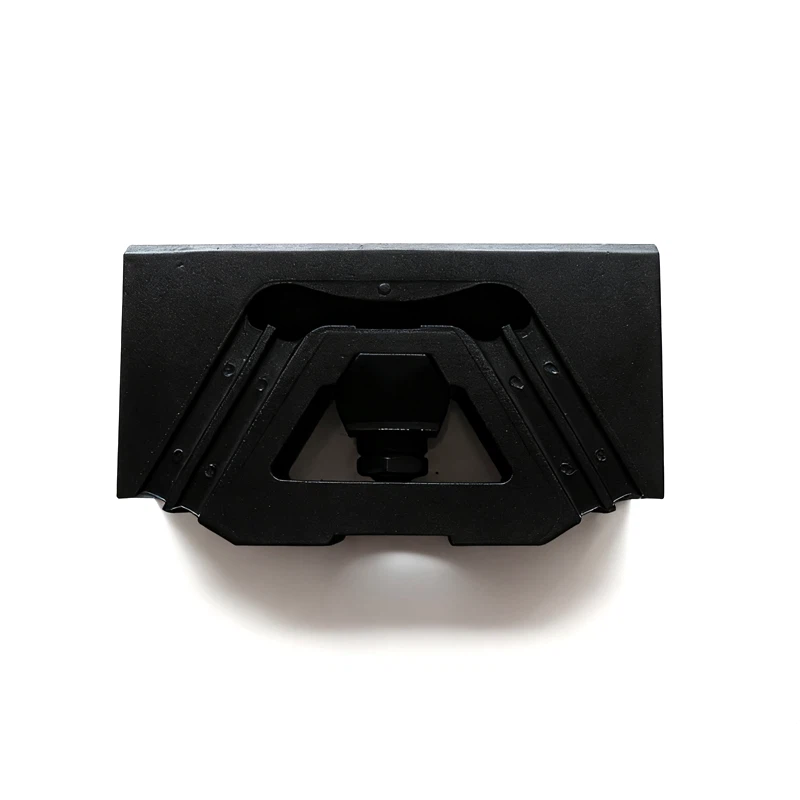
Engine mounts might not be the first thing that comes to mind when thinking about ride height, but they do play a role. The Automotive Engine Mount is designed to hold the engine in place and absorb vibrations.
If an engine mount fails or becomes worn, it can cause the engine to shift position. This shift can put additional stress on other suspension components, potentially leading to a change in ride height. For example, if the engine moves forward or backward, it can affect the balance of the car and cause one end to sit lower.
Impact of Aftermarket Components
Many car enthusiasts like to upgrade their shock absorbing components with aftermarket parts. While this can offer some benefits, it's important to choose wisely. Some low - quality aftermarket shock absorbers or struts may not be properly calibrated for the vehicle, which can lead to an incorrect ride height.
However, when you choose the right aftermarket components, you can customize your ride height to suit your needs. For instance, if you want a sportier look, you can install lowering springs along with high - performance shock absorbers to achieve a lower ride height without sacrificing too much in terms of comfort and handling.
How to Maintain the Right Ride Height
As a supplier of automotive shock absorbing components, I often get asked how to keep the ride height in check. Here are some tips:
- Regular Inspections: Have your shock absorbers, strut assemblies, and engine mounts inspected regularly. A mechanic can check for signs of wear and tear, such as leaks in the shock absorbers or cracks in the engine mounts.
- Replace Worn Components: If you notice that your ride height is changing or the ride is getting bumpier, it might be time to replace some of the shock absorbing components. Don't wait until the problem gets worse.
- Choose Quality Parts: When it's time to replace components, make sure to choose high - quality parts from a reliable supplier. This will ensure that the new components work properly and maintain the correct ride height.
Conclusion
Automotive shock absorbing components have a significant impact on a car's overall ride height. From shock absorbers and strut assemblies to engine mounts, each component plays a vital role in keeping the vehicle at the right height. Whether you're a daily commuter or an off - road enthusiast, having the correct ride height is essential for a safe and comfortable driving experience.
If you're in the market for automotive shock absorbing components, we're here to help. We offer a wide range of high - quality products that can help you maintain or customize your car's ride height. Don't hesitate to reach out to us for more information or to start a procurement discussion. We're always ready to assist you in finding the best components for your vehicle.
References
- Smith, J. (2020). The Basics of Automotive Suspension. AutoTech Publishing.
- Johnson, M. (2021). Understanding Shock Absorbers and Their Impact on Ride Quality. Car Enthusiast Magazine.


