


Hey there! As a supplier of automotive seal strips, I've been getting a lot of questions lately about whether these strips need to be adjusted after installation. So, I thought I'd dive into this topic and share my insights with you all.
First off, let's understand what automotive seal strips are and what they do. Automotive seal strips are essential components in vehicles. They're used in various parts of a car, like the body, doors, and windows. For instance, the Automotive Body Seal Strip helps to keep the car's body protected from dust, water, and noise. The Automotive Door Seal Strip ensures a tight seal when you close the door, preventing air and water from getting in. And the Automotive Window Glass Seal Strip keeps the window in place and seals it properly.
Now, to answer the big question: do they need to be adjusted after installation? Well, it depends on a few factors.
Factors That Determine If Adjustment Is Needed
Installation Quality
The quality of the installation plays a huge role. If the seal strips are installed correctly in the first place, there might not be a need for adjustment. However, if the installation is rushed or not done by a professional, chances are the strips won't sit right. For example, if the seal strip on the door isn't aligned properly, it might not seal the door completely. You could end up with wind noise while driving or water leaking in during a rainstorm.
Vehicle Usage
How the vehicle is used also matters. If a car is driven on rough roads frequently, the vibrations can cause the seal strips to shift over time. Also, extreme weather conditions can affect the seal strips. In very hot weather, the rubber in the seal strips can expand, and in cold weather, it can contract. This expansion and contraction can sometimes lead to a misalignment of the seal strips.

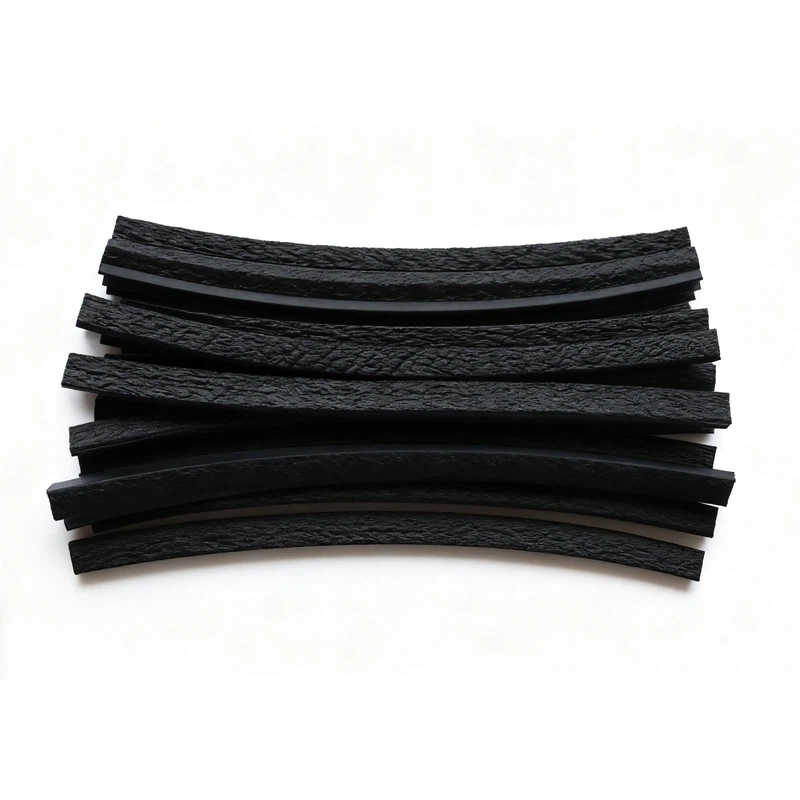
Age of the Seal Strips
As seal strips age, they can lose their elasticity. This means they might not be able to maintain the same level of seal as when they were new. Over time, you might notice that the door doesn't close as tightly or that there's more noise inside the car. In such cases, adjustment or even replacement of the seal strips might be necessary.
Signs That Adjustment Is Required
Noise Inside the Car
If you start hearing more wind or road noise inside the car than usual, it could be a sign that the seal strips aren't doing their job properly. This could be due to a misalignment or wear and tear of the strips.
Water Leakage
During a rainstorm, if you notice water dripping inside the car, especially around the doors or windows, it's a clear indication that the seal strips need attention. Water leakage can not only damage the interior of the car but also lead to rusting of the metal parts.
Difficulty Closing Doors or Windows
If you find that you have to use more force than normal to close the doors or windows, it could be because the seal strips are not properly adjusted. This could also be a safety issue, as a door that doesn't close properly might open while the car is in motion.
How to Adjust Automotive Seal Strips
If you've determined that adjustment is needed, here are some general steps you can take:
Check the Alignment
First, visually inspect the seal strips to see if they're aligned correctly. If they're not, you can try to gently realign them. For example, if the door seal strip is sticking out in some places, you can carefully push it back into place.
Tighten the Mounting
Some seal strips are held in place by clips or screws. Check these to make sure they're tight. If they're loose, use the appropriate tools to tighten them. However, be careful not to overtighten, as this could damage the seal strip or the mounting points.
Lubrication
Sometimes, the seal strips can become dry and sticky, which can cause them to not function properly. You can use a silicone-based lubricant to lubricate the seal strips. This will not only make them more flexible but also improve their sealing ability.
Benefits of Properly Adjusted Seal Strips
Improved Comfort
A properly adjusted seal strip can significantly reduce the amount of noise and vibration inside the car. This makes the driving experience more comfortable, especially on long trips.
Energy Efficiency
When the doors and windows are properly sealed, the car's heating and cooling systems don't have to work as hard. This can lead to better fuel efficiency and lower energy costs.
Protection of the Car's Interior
Seal strips protect the interior of the car from dust, water, and UV rays. By keeping the seal strips in good condition, you can prolong the life of the car's interior components.
In conclusion, while automotive seal strips don't always need adjustment after installation, it's important to keep an eye on them. Regular inspection and maintenance can help ensure that they continue to function properly. If you're unsure about how to adjust the seal strips or if you need new ones, don't hesitate to reach out. As a supplier of high-quality automotive seal strips, we're here to help you with all your automotive sealing needs. Whether you need advice on installation, adjustment, or just want to purchase new seal strips, we've got you covered. So, if you're in the market for automotive seal strips or have any questions, feel free to get in touch with us for a friendly chat and discuss your requirements.
References
- Automotive Sealing Handbook, various industry experts
- Car Maintenance Guides from leading automotive manufacturers


