


In the realm of automotive engineering, the significance of vehicle handling cannot be overstated. It encompasses a vehicle's ability to respond predictably to driver inputs, maintain stability under various conditions, and ensure a smooth and safe ride. Among the numerous components that contribute to a vehicle's handling characteristics, automotive shock - absorbing components play a pivotal and multi - faceted role. As a trusted automotive shock - absorbing components supplier, I am well - versed in how these components impact vehicle handling, and I'm excited to share this knowledge with you.
1. Understanding the Basics of Automotive Shock - Absorbing Components
Before delving into their role in vehicle handling, it's essential to understand what automotive shock - absorbing components are. These include a variety of parts such as shock absorbers, struts, and engine mounts.
Shock absorbers, as the name suggests, are designed to dampen the oscillations of the vehicle's suspension system. They work in tandem with springs to control the up - and - down movement of the wheels, preventing the vehicle from bouncing excessively after hitting a bump. Struts, on the other hand, are a structural part of the suspension system that combines the functions of a shock absorber and a spring support. They provide additional support and stability to the vehicle's body.
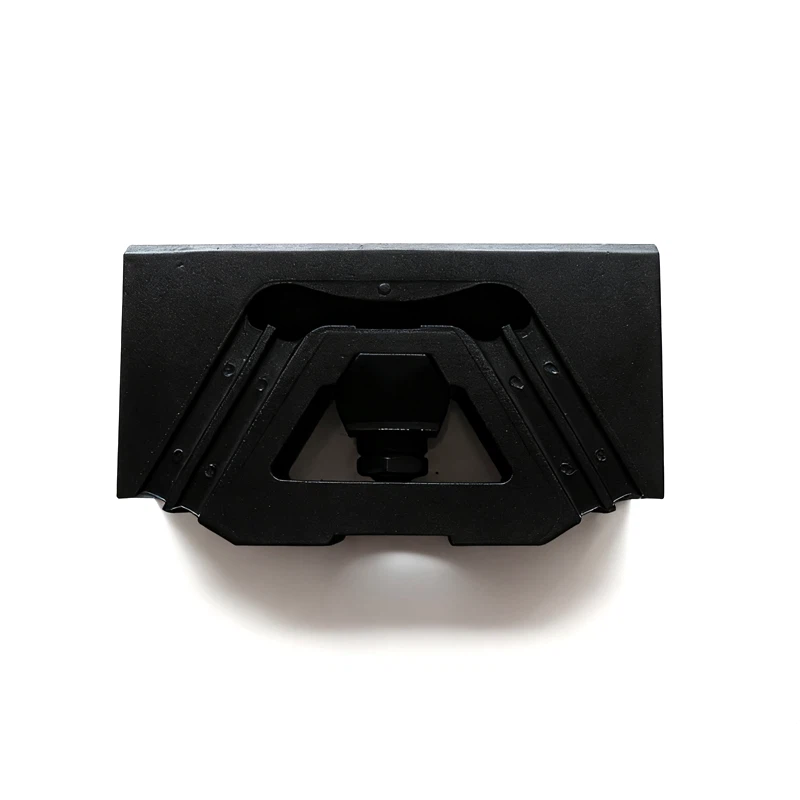
The Automotive Engine Mount is another crucial shock - absorbing component. It is responsible for securing the engine to the vehicle's frame while isolating the engine vibrations from the rest of the vehicle. By reducing the transfer of engine vibrations, it enhances the overall comfort and handling of the vehicle.
2. Enhancing Ride Comfort
One of the primary roles of automotive shock - absorbing components in vehicle handling is to enhance ride comfort. When a vehicle travels over uneven road surfaces, the wheels encounter various bumps, potholes, and irregularities. Without proper shock - absorbing components, these impacts would be directly transferred to the vehicle's body, causing a rough and uncomfortable ride.
Shock absorbers and struts work to smooth out these impacts. They convert the kinetic energy generated by the up - and - down movement of the wheels into heat energy, which is then dissipated. This process reduces the amplitude of the vibrations and oscillations, resulting in a more comfortable ride for the passengers.
For example, imagine driving on a cobblestone road. Without well - functioning shock absorbers, every stone would send a jolt through the vehicle, making it difficult to control the steering and causing discomfort to the occupants. However, with high - quality shock absorbers, the impacts are dampened, allowing the driver to maintain better control of the vehicle and the passengers to enjoy a relatively smooth ride.
3. Maintaining Tire Contact with the Road
Another critical aspect of vehicle handling is maintaining optimal tire contact with the road surface. Good tire - road contact is essential for traction, braking, and steering performance. Automotive shock - absorbing components play a vital role in ensuring that the tires stay in contact with the road at all times.
When a vehicle goes over a bump, the wheels tend to move upward. If the shock absorbers are not functioning properly, the wheels may bounce off the road surface, reducing the tire's grip. This can lead to a loss of traction, especially during cornering or braking, which can be extremely dangerous.
Shock absorbers help to keep the wheels in contact with the road by controlling the movement of the suspension. They ensure that the wheels follow the contour of the road surface, maximizing the tire's contact area and improving traction. This is particularly important in adverse weather conditions such as rain or snow, where maintaining tire grip is crucial for safe driving.
4. Improving Steering Response
Steering response is a key indicator of a vehicle's handling capabilities. It refers to how quickly and accurately a vehicle responds to the driver's steering inputs. Automotive shock - absorbing components contribute significantly to improving steering response.
When a vehicle turns, the weight of the vehicle shifts to the outside wheels. This weight transfer can cause the vehicle to roll or lean, which can affect the steering response. Shock absorbers and struts work to control this weight transfer and minimize body roll. By reducing body roll, they keep the vehicle more level during cornering, allowing the tires to maintain better grip and the steering system to operate more effectively.
For instance, in a high - performance sports car, precise steering response is essential for quick and accurate maneuvers. High - quality shock absorbers help to keep the car stable during sharp turns, enabling the driver to maintain control and achieve optimal performance.
5. Ensuring Braking Stability
Braking stability is another crucial factor in vehicle handling. When a vehicle brakes, the weight of the vehicle shifts forward, causing the front wheels to bear more load. If the shock absorbers are not functioning correctly, this weight transfer can cause the front end of the vehicle to dive excessively, reducing the effectiveness of the rear brakes and potentially leading to a loss of control.
Shock absorbers play a role in controlling the weight transfer during braking. They help to keep the vehicle's body level and prevent excessive diving, ensuring that the brakes are applied evenly to all four wheels. This improves the overall braking performance and stability of the vehicle, reducing the stopping distance and enhancing safety.
6. The Role of Shock Absorbers for Automotive Suspension Systems in Different Driving Conditions
Automotive shock - absorbing components are designed to perform well in a variety of driving conditions. Whether it's city driving, highway cruising, or off - road adventures, these components adapt to different situations to ensure optimal vehicle handling.
In city driving, where there are frequent stops, starts, and turns, shock absorbers help to provide a smooth and comfortable ride while maintaining good steering and braking performance. They absorb the shocks from potholes and speed bumps, allowing the driver to navigate through traffic with ease.
On the highway, shock absorbers help to keep the vehicle stable at high speeds. They reduce the effects of road irregularities and wind gusts, ensuring that the vehicle stays on course and the driver can maintain control.
For off - road driving, shock absorbers and struts need to be more robust to handle the rough terrain. They are designed to withstand larger impacts and provide greater suspension travel, allowing the vehicle to traverse over rocks, mud, and uneven ground while maintaining stability and control.

7. Importance of Quality and Compatibility
As an automotive shock - absorbing components supplier, I understand the importance of providing high - quality components that are compatible with different vehicle models. Using low - quality or incompatible shock - absorbing components can have a detrimental effect on vehicle handling.
Low - quality shock absorbers may not provide adequate damping, leading to excessive bouncing, poor tire contact, and reduced steering and braking performance. Incompatible components may not fit properly or may not be designed to work with the vehicle's existing suspension system, which can also compromise handling and safety.
Therefore, it is crucial for vehicle owners and manufacturers to choose shock - absorbing components from a reliable supplier. At our company, we ensure that all our products are manufactured to the highest standards and are thoroughly tested to ensure compatibility and performance.
8. Conclusion and Call to Action
In conclusion, automotive shock - absorbing components play a vital role in vehicle handling. They enhance ride comfort, maintain tire contact with the road, improve steering response, ensure braking stability, and adapt to different driving conditions. As a leading automotive shock - absorbing components supplier, we are committed to providing high - quality components that meet the diverse needs of our customers.
Whether you are a vehicle manufacturer looking for reliable shock - absorbing solutions or a vehicle owner in need of replacement parts, we have the expertise and products to meet your requirements. Our team of experts is always ready to assist you in selecting the right components for your vehicle. If you are interested in learning more about our products or would like to discuss a potential purchase, please feel free to reach out to us. We look forward to the opportunity to work with you and contribute to the optimal handling of your vehicles.
References
- Gillespie, T. D. (1992). Fundamentals of Vehicle Dynamics. Society of Automotive Engineers.
- Milliken, W. F., & Milliken, D. L. (1995). Race Car Vehicle Dynamics. Society of Automotive Engineers.
- Crolla, D. A. (2001). Vehicle Dynamics: Theory and Application. CRC Press.


