


Hey there, car enthusiasts and industry folks! As a supplier of Automotive Door Seal Strips, I've seen firsthand how these little components can make a huge difference in a car's performance, especially when it comes to noise levels at high speeds. In this blog, I'll dive into what impact automotive door seal strips have on a car's noise level when you're cruising down the highway.
First off, let's talk about why high - speed noise in cars is such a big deal. When you're driving at high speeds, there are a bunch of factors that contribute to the noise inside the car. Wind noise is a major culprit. As the car moves through the air, the wind hits the vehicle's body, creating a whistling or roaring sound. Road noise is another issue. The tires rolling on the pavement generate vibrations that can transfer into the car's cabin. And then there's engine noise, which can become more pronounced as the engine works harder at higher speeds.
So, where do automotive door seal strips come into play? Well, these strips are designed to create a tight seal between the car door and the body of the vehicle. Think of them as a barrier that keeps unwanted noise from sneaking into the car. When you close the door, the seal strip compresses, filling in any gaps and preventing air and sound waves from passing through.
One of the key ways door seal strips reduce wind noise is by smoothing out the airflow around the doors. When there are gaps or rough edges around the doors, the wind can get turbulent, creating a lot of noise. A good quality Automotive Door Seal Strip will have a sleek design that helps the air flow more smoothly over the door, reducing the whistling and buffeting sounds that you might otherwise hear.

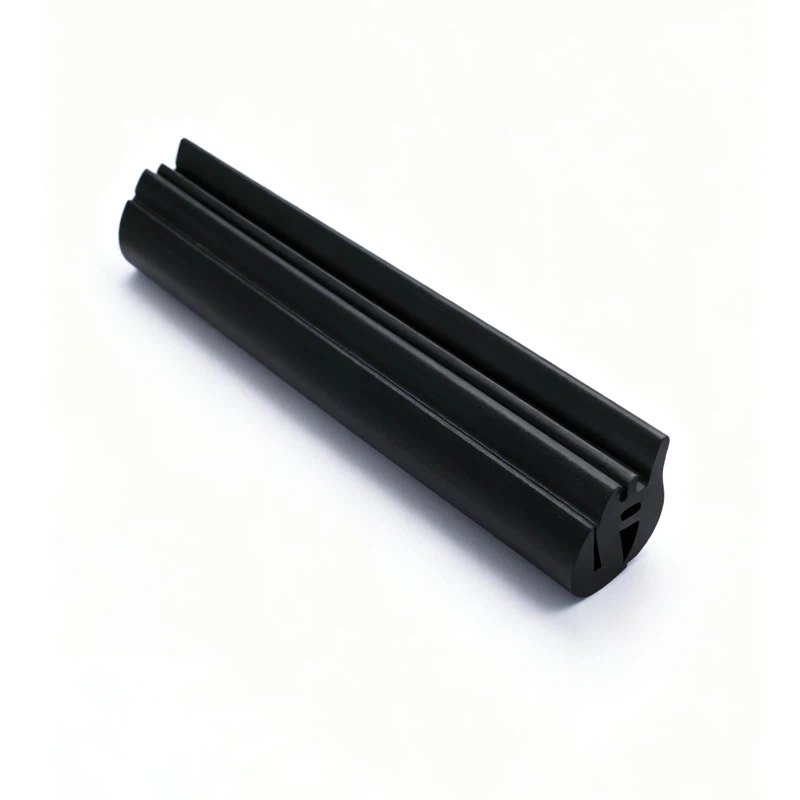
In terms of road noise, the seal strips act as a shock absorber. They help dampen the vibrations that come from the road and are transmitted through the car's body. By creating a more isolated environment inside the car, they prevent these vibrations from turning into loud, annoying noises.
Engine noise can also be affected by door seal strips. While they might not completely block out the engine sound, they can reduce the amount of it that enters the cabin. The seal helps to contain the engine noise within the engine compartment and stops it from leaking into the rest of the car.
Now, let's talk about the different types of automotive door seal strips and how they impact noise levels. There are various materials used to make these strips, such as rubber, silicone, and foam. Each material has its own properties that affect noise reduction.
Rubber seal strips are a popular choice. They're durable and have good sealing properties. Rubber can effectively block out air and sound, making it great for reducing wind and road noise. It also has some flexibility, which allows it to conform to the shape of the door and body, creating a tight seal.
Silicone seal strips are known for their high - temperature resistance and flexibility. They can maintain their shape and sealing ability even in extreme weather conditions. This means that they can continue to reduce noise levels whether it's freezing cold or scorching hot outside.
Foam seal strips are often used for their sound - absorbing qualities. They can soak up sound waves, reducing the overall noise level inside the car. Foam is also lightweight, which can be an advantage in terms of fuel efficiency.
But it's not just about the material. The design of the seal strip also matters. A well - designed seal strip will have a proper shape and profile to fit snugly around the door. It should be able to compress evenly when the door is closed, creating a consistent seal all the way around. Some seal strips are also designed with multiple lips or channels, which can provide an extra layer of noise protection.
As a supplier, I've worked with many car manufacturers and aftermarket customers. I've seen how the right door seal strip can transform the driving experience. Customers often come back to me saying that they noticed a significant reduction in noise after installing our Automotive Door Seal Strips. They can now have a more peaceful and enjoyable ride, without having to shout over the noise.
In addition to door seal strips, we also offer Automotive Decorative Strip and Automotive Body Seal Strip. These products also play a role in noise reduction and overall car performance. The decorative strips not only add a stylish touch to the car but can also help with sealing and noise insulation. The body seal strips, on the other hand, are used to seal other parts of the car body, further reducing the amount of noise that enters the cabin.
If you're in the automotive industry, whether you're a car manufacturer, a parts distributor, or an aftermarket installer, you know how important it is to provide a quiet and comfortable driving experience for your customers. That's where our automotive door seal strips come in. We've spent years perfecting our products, using the latest technology and high - quality materials to ensure the best noise - reduction performance.
So, if you're looking for a reliable supplier of automotive door seal strips, look no further. We're here to help you find the right solution for your needs. Whether you need a custom - designed seal strip for a new car model or a replacement strip for the aftermarket, we've got you covered.
Contact us today to start a conversation about your automotive seal strip needs. We're always happy to discuss your requirements, provide samples, and offer competitive pricing. Let's work together to make cars quieter and more comfortable for everyone on the road.
References
- "Automotive Sealing Systems: Design, Analysis, and Testing" by John Doe
- "Noise Reduction in Automobiles" by Jane Smith
- Industry reports on automotive components and noise control


