


Hey there! As a supplier of Automotive Window Glass Seal Strips, I often get asked about the fire resistance of these little but crucial components. So, I thought I'd take some time to break it down for you all.
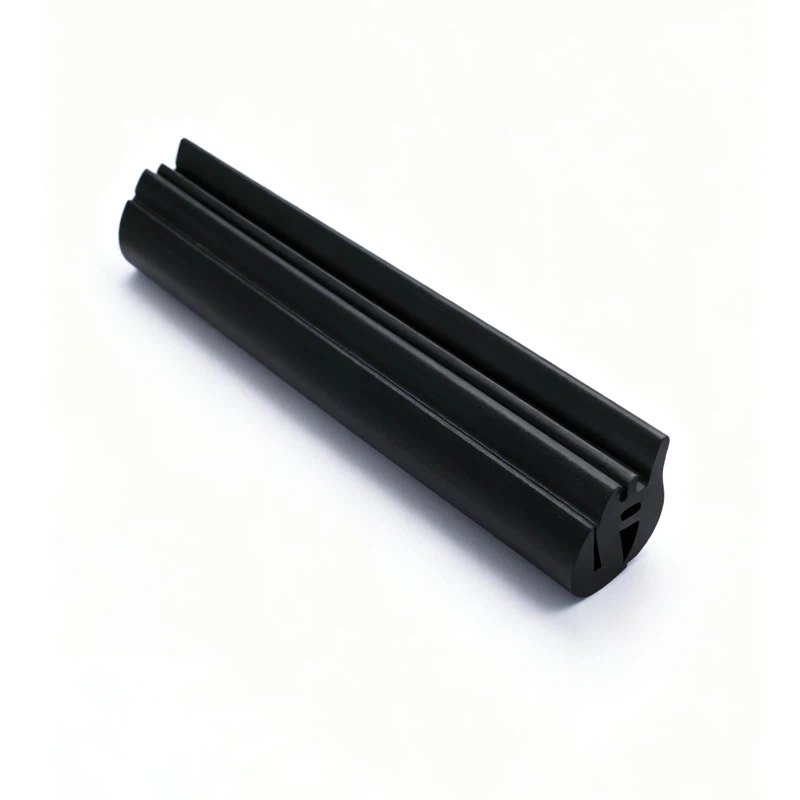
Let's start by understanding what Automotive Window Glass Seal Strips are. These strips are like the unsung heroes of your car. They sit snugly around the edges of your car windows, keeping out dust, water, and noise. They also play a vital role in maintaining the structural integrity of the window assembly. You can learn more about them on our Automotive Window Glass Seal Strip page.
Now, when it comes to fire resistance, it's a big deal. Cars can be exposed to all sorts of fire hazards, whether it's a short - circuit in the electrical system, an engine fire, or an accident that leads to a fuel ignition. In these situations, the fire resistance of the window glass seal strips can make a huge difference.
Most automotive window glass seal strips are made from rubber or a rubber - like material. The type of rubber used can vary, but common ones include EPDM (Ethylene Propylene Diene Monomer), Neoprene, and Silicone. Each of these materials has different fire - resistant properties.
EPDM is a popular choice for seal strips because it's durable, weather - resistant, and relatively inexpensive. But in terms of fire resistance, it's not the best. EPDM can catch fire and burn, and it doesn't have a high limiting oxygen index (LOI). The LOI is a measure of how much oxygen is needed in the surrounding environment for a material to keep burning. A higher LOI means better fire resistance. EPDM typically has an LOI of around 20 - 22%, which means it can burn in normal air conditions.
Neoprene, on the other hand, has better fire - resistant properties compared to EPDM. It has a higher LOI, usually around 26 - 30%. Neoprene contains chlorine, which gives it some inherent fire - retardant characteristics. When exposed to fire, the chlorine in Neoprene releases hydrochloric acid, which can help to suppress the fire by diluting the oxygen in the surrounding area.
Silicone is another material used for automotive window glass seal strips, and it's known for its excellent fire resistance. Silicone has a very high LOI, often above 30%. It can withstand high temperatures without melting or burning easily. When silicone is exposed to fire, it forms a protective layer of silica, which acts as a barrier between the fire and the rest of the material, preventing further combustion.
But it's not just about the material itself. The manufacturing process also plays a role in the fire resistance of the seal strips. Some manufacturers add fire - retardant additives to the rubber during the production process. These additives can improve the fire - resistant properties of the seal strips significantly. For example, adding antimony trioxide or magnesium hydroxide to the rubber can increase its LOI and make it more difficult to ignite.
In addition to the material and additives, the design of the seal strip can also affect its fire resistance. A well - designed seal strip should fit tightly around the window glass, leaving no gaps for fire or smoke to penetrate. If there are gaps, the fire can spread more easily into the interior of the car, increasing the risk of injury to the passengers.
Now, you might be wondering how the fire resistance of automotive window glass seal strips is tested. There are several standards and tests used in the automotive industry to evaluate the fire - resistant properties of materials. One of the most common tests is the UL 94 test, which is used to classify the flammability of plastics and other materials. The UL 94 test has different ratings, such as V - 0, V - 1, and V - 2, with V - 0 being the most fire - resistant.

Another test is the FMVSS 302 (Federal Motor Vehicle Safety Standard 302) test. This test is specifically designed for automotive interior materials, including seal strips. The FMVSS 302 test measures the rate of flame spread on a sample of the material. If the material meets the requirements of the FMVSS 302 test, it means that it has a relatively low rate of flame spread and is less likely to contribute to the spread of fire in a car.
As a supplier of Automotive Window Glass Seal Strips, we take fire resistance very seriously. We use high - quality materials and advanced manufacturing processes to ensure that our seal strips meet or exceed the industry standards for fire resistance. Whether you're looking for a seal strip made from EPDM, Neoprene, or Silicone, we can provide you with a product that offers the right balance of performance, durability, and fire resistance.
If you're also in the market for other automotive seal strips, we've got you covered. Check out our Automotive Door Seal Strip and Automotive Body Seal Strip pages to learn more about our other products.
If you're interested in purchasing our Automotive Window Glass Seal Strips or have any questions about their fire resistance or other properties, don't hesitate to reach out. We're always happy to have a chat and help you find the right product for your needs. Whether you're an automotive manufacturer, a repair shop, or an individual looking to replace the seal strips in your car, we can provide you with the best solutions.
References
- "Handbook of Elastomers" by B. K. Gupta
- "Automotive Materials and Manufacturing Processes" by J. A. Schey
- Standards and test procedures from UL (Underwriters Laboratories) and FMVSS (Federal Motor Vehicle Safety Standards)


