


In the realm of mechanical engineering and industrial applications, sealing solutions play a pivotal role in ensuring the smooth operation and longevity of various equipment. Among these solutions, mechanical dustproof O - rings are essential components used to prevent the ingress of dust, dirt, and other contaminants into machinery. Two common types of mechanical dustproof O - rings are single - lip and double - lip O - rings. As a trusted supplier of mechanical dustproof O - rings, I am here to shed light on the differences between these two types and help you make an informed decision for your specific needs.
Structure and Design
The most obvious difference between single - lip and double - lip mechanical dustproof O - rings lies in their structure. A single - lip O - ring, as the name suggests, has a single sealing lip. This lip is designed to make contact with the mating surface and create a barrier against dust and other particles. The simplicity of its design makes it relatively easy to manufacture and install.
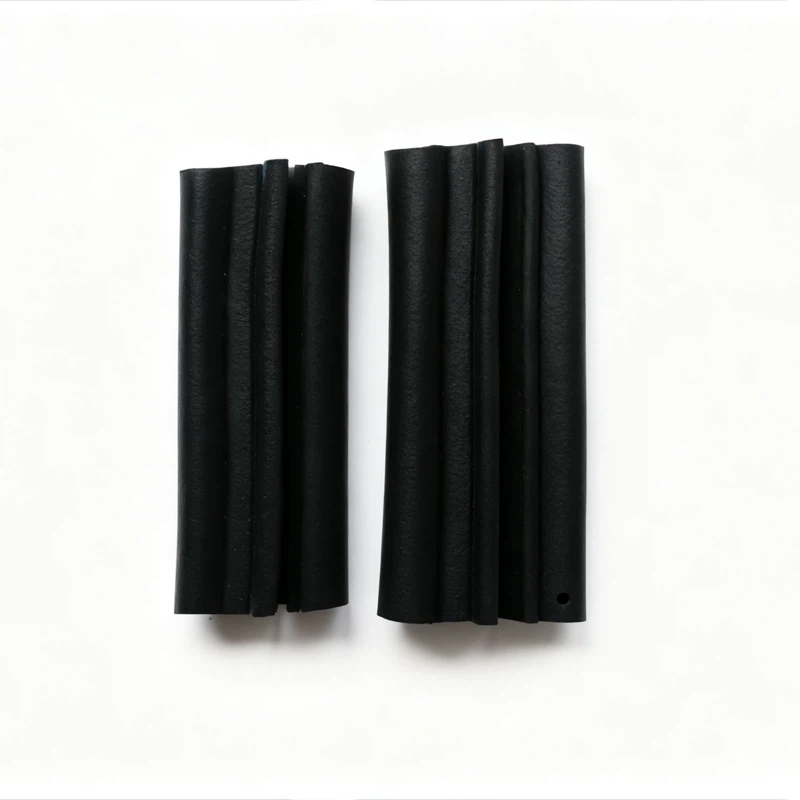

On the other hand, a double - lip O - ring features two sealing lips. These lips can work independently or in tandem to provide a more robust sealing solution. The additional lip adds an extra layer of protection, enhancing the overall dust - proofing capabilities of the O - ring. The design of double - lip O - rings is more complex, which may result in a slightly higher manufacturing cost compared to single - lip O - rings.
Sealing Performance
When it comes to sealing performance, double - lip O - rings generally outperform single - lip O - rings. The dual - lip design allows for a more effective seal, especially in environments with high levels of dust or where a high degree of protection is required. The two lips can adapt to different surface irregularities and ensure a continuous seal, reducing the risk of dust ingress.
Single - lip O - rings, while still effective in many applications, may not provide the same level of protection as double - lip O - rings. In situations where the dust load is relatively low or the sealing requirements are less stringent, a single - lip O - ring can be a cost - effective solution. However, in harsh environments or applications where the equipment's performance is critical, a double - lip O - ring is often the preferred choice.
Durability and Longevity
The durability of an O - ring is an important consideration, especially in industrial applications where equipment may be subjected to continuous operation and harsh conditions. Double - lip O - rings tend to have better durability compared to single - lip O - rings. The additional lip distributes the stress and wear more evenly, reducing the risk of premature failure.
Single - lip O - rings, due to their simpler design, may be more prone to wear and tear, especially in high - pressure or high - friction applications. However, with proper material selection and installation, single - lip O - rings can still provide a reasonable service life. It is important to choose the right material for the O - ring based on the specific operating conditions, such as temperature, chemical exposure, and pressure.
Application Scenarios
The choice between single - lip and double - lip mechanical dustproof O - rings depends largely on the application scenario. Single - lip O - rings are commonly used in applications where the dust level is relatively low and the sealing requirements are not extremely high. For example, they can be used in household appliances, light - duty machinery, and some automotive components.
Double - lip O - rings are more suitable for applications in harsh environments, such as mining, construction, and heavy - duty industrial equipment. In these applications, the equipment is often exposed to large amounts of dust, dirt, and other contaminants, and a high - performance sealing solution is required to ensure reliable operation.
Cost Considerations
Cost is always an important factor in any purchasing decision. Single - lip O - rings are generally more cost - effective compared to double - lip O - rings. Their simpler design and lower manufacturing complexity result in a lower price point. If the sealing requirements of your application can be met with a single - lip O - ring, choosing this option can help you save on costs.
However, it is important to consider the long - term costs as well. While double - lip O - rings may have a higher upfront cost, their better sealing performance and durability can result in lower maintenance and replacement costs over the life of the equipment. In some cases, the cost savings from reduced downtime and improved equipment performance may outweigh the initial investment in double - lip O - rings.
Our Product Range
As a leading supplier of mechanical dustproof O - rings, we offer a wide range of single - lip and double - lip O - rings to meet the diverse needs of our customers. Our O - rings are made from high - quality materials, ensuring excellent sealing performance, durability, and resistance to various environmental factors.
In addition to mechanical dustproof O - rings, we also provide other sealing solutions, such as Mechanical Insulating Rubber Strip, Mechanical O Ring, and Mechanical Waterproof Rubber Strip. Our products are designed to meet the highest industry standards and are widely used in various industries, including automotive, aerospace, and manufacturing.
Conclusion
In conclusion, the difference between single - lip and double - lip mechanical dustproof O - rings lies in their structure, sealing performance, durability, application scenarios, and cost. Single - lip O - rings are a cost - effective solution for applications with lower dust levels and less stringent sealing requirements, while double - lip O - rings provide a more robust sealing solution for harsh environments and high - performance applications.
When choosing between single - lip and double - lip O - rings, it is important to consider the specific requirements of your application, such as the dust level, operating conditions, and budget. Our team of experts is always ready to assist you in selecting the right O - ring for your needs. If you are interested in our products or have any questions, please feel free to contact us for further discussion and procurement negotiation.
References
- "Sealing Technology Handbook" by John A. Schey
- "Mechanical Seals: Principles and Applications" by Robert D. Bansal


