


Hey there, fellow car enthusiasts and industry folks! As a supplier of automotive shock absorbing components, I've spent a ton of time diving deep into the ins and outs of these crucial parts. One of the most common questions I get asked is about the differences between hydraulic and gas - filled automotive shock absorbing components. So, let's break it down.
How They Work
First off, let's talk about how these two types of shock absorbers actually work. Hydraulic shock absorbers have been around for ages. They use a piston moving through a tube filled with hydraulic fluid. When your car hits a bump, the piston compresses the fluid, which then flows through small holes or valves. This flow of fluid creates resistance, which in turn dampens the movement of the suspension. It's like a little dance between the piston and the fluid to keep your ride smooth.
On the other hand, gas - filled shock absorbers add an extra element to the mix. They also have a piston and hydraulic fluid, but there's a chamber filled with pressurized gas, usually nitrogen. When the piston moves, it not only has to deal with the fluid but also the gas pressure. The gas helps to prevent the fluid from foaming under high - stress conditions, which can happen in hydraulic shock absorbers. Foaming reduces the shock absorber's effectiveness, so the gas in gas - filled ones keeps things running more consistently.
Performance
When it comes to performance, there are some key differences. Hydraulic shock absorbers are great for everyday driving. They provide a smooth and comfortable ride, soaking up the small bumps and potholes on regular roads. They're also relatively quiet, which is a plus if you're looking for a peaceful driving experience. However, they can struggle a bit under heavy loads or during aggressive driving. For example, if you're towing a trailer or taking your car around a race track, the hydraulic fluid might start to foam, and the shock absorber's performance can degrade.
Gas - filled shock absorbers, on the other hand, are built for more demanding situations. They offer better handling and stability, especially at high speeds or during sharp turns. The pressurized gas helps to keep the piston in place and provides more consistent damping. This means you'll have better control over your vehicle, whether you're on a winding mountain road or in a high - speed chase (well, maybe not a real chase, but you get the idea). They're also more resistant to fade, so you can push your car harder without worrying about the shock absorbers losing their effectiveness.
Durability
Durability is another important factor. Hydraulic shock absorbers are generally less expensive to manufacture, which can make them a more budget - friendly option. However, they might not last as long as gas - filled ones. The seals in hydraulic shock absorbers can wear out over time, leading to fluid leaks. Once the fluid leaks, the shock absorber's performance drops significantly, and you'll need to replace it.
Gas - filled shock absorbers are more robust. The pressurized gas helps to keep the seals in place and reduces the wear and tear on the internal components. They can withstand more extreme conditions and are less likely to develop leaks. So, while they might cost a bit more upfront, you'll probably get more years of use out of them.
Cost
Cost is always a consideration when it comes to automotive parts. Hydraulic shock absorbers are usually the cheaper option. They're simpler in design and use less complex technology, which means they can be produced at a lower cost. This makes them a popular choice for budget - conscious car owners or for vehicles where high - performance shock absorbers aren't necessary.
Gas - filled shock absorbers, as mentioned earlier, are more expensive. The additional technology and the pressurized gas chamber add to the manufacturing cost. But if you're looking for top - notch performance and durability, the extra cost might be worth it.

Applications
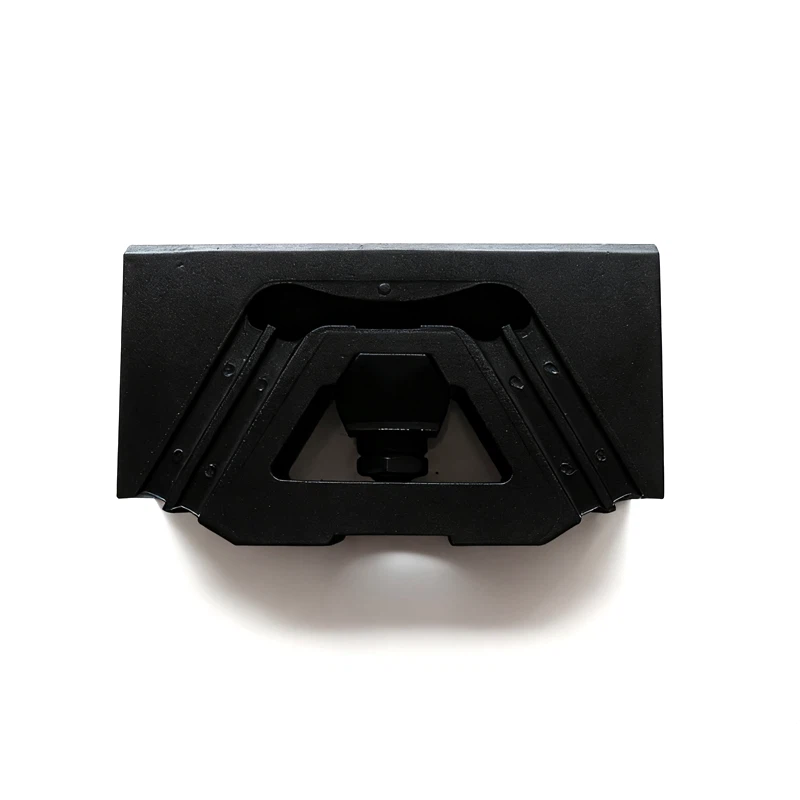
The choice between hydraulic and gas - filled shock absorbers also depends on the application. For standard passenger cars used for daily commuting, hydraulic shock absorbers are often sufficient. They provide a comfortable ride at a reasonable price. You can check out our Automotive Engine Mount for more related components that work well with hydraulic shock absorbers.
If you have a sports car, a heavy - duty truck, or a vehicle used for off - roading, gas - filled shock absorbers are a better choice. They can handle the increased stress and provide the performance you need. Our Shock Absorbers for Automotive Suspension Systems offer a range of gas - filled options suitable for these types of vehicles.
Making the Right Choice
So, how do you decide which type of shock absorber is right for you? Well, it all comes down to your driving needs and budget. If you're an average driver who just wants a smooth and comfortable ride on regular roads, hydraulic shock absorbers are probably the way to go. They'll do the job without breaking the bank.
But if you're a performance enthusiast, a professional driver, or you use your vehicle in tough conditions, gas - filled shock absorbers are worth the investment. They'll give you the performance, durability, and control you need.
As a supplier of automotive shock absorbing components, I'm here to help you make the right choice. Whether you have questions about the technical details or need advice on which product is best for your vehicle, don't hesitate to reach out. We can work together to find the perfect shock absorbers for your car.
If you're interested in purchasing our shock absorbing components, we're ready to have a chat about your requirements. Just get in touch, and we can start the procurement process. We offer high - quality products at competitive prices, and our team is dedicated to providing excellent customer service.
References
- "Automotive Suspension Systems" by John C. Dixon
- "Vehicle Dynamics: Theory and Application" by Rajesh Rajamani


