


Tensile strength is a fundamental mechanical property that significantly influences the performance of a mechanical waterproof rubber strip. As a supplier of Mechanical Waterproof Rubber Strip, I have witnessed firsthand how this property can make or break the functionality of these essential sealing components. In this blog, we will explore the relationship between tensile strength and the performance of mechanical waterproof rubber strips, and why it matters in various applications.
Understanding Tensile Strength
Tensile strength refers to the maximum amount of tensile (pulling) stress that a material can withstand before it breaks or fails. For a mechanical waterproof rubber strip, this property is crucial as it determines the strip's ability to resist stretching, tearing, and deformation under tension. When a rubber strip is installed in a mechanical system, it is often subjected to various forces, including pulling, bending, and twisting. If the tensile strength of the rubber strip is too low, it may not be able to withstand these forces, leading to premature failure and loss of waterproofing functionality.
Impact on Waterproofing Performance
One of the primary functions of a mechanical waterproof rubber strip is to prevent the ingress of water and other fluids into a mechanical system. A rubber strip with high tensile strength is better able to maintain its integrity and shape under stress, ensuring a tight and reliable seal. When the strip is stretched or deformed, it can still return to its original shape without losing its sealing properties. This is particularly important in applications where the rubber strip is exposed to dynamic forces, such as in automotive engines, industrial machinery, and marine equipment.
In contrast, a rubber strip with low tensile strength may stretch or tear easily, creating gaps or leaks in the seal. This can allow water, moisture, and other contaminants to enter the system, leading to corrosion, rust, and damage to sensitive components. In addition, the loss of waterproofing can also compromise the performance and reliability of the mechanical system, resulting in costly repairs and downtime.
Influence on Durability and Longevity
The tensile strength of a mechanical waterproof rubber strip also plays a significant role in its durability and longevity. A rubber strip with high tensile strength is more resistant to wear, tear, and fatigue, which can extend its service life and reduce the need for frequent replacement. In applications where the rubber strip is subjected to repeated stretching, bending, and compression, such as in door and window seals, it is essential to choose a strip with sufficient tensile strength to withstand these stresses over time.
On the other hand, a rubber strip with low tensile strength may degrade more quickly, especially in harsh environments or under extreme conditions. Exposure to high temperatures, chemicals, UV radiation, and ozone can all weaken the rubber and reduce its tensile strength, making it more prone to failure. By choosing a rubber strip with high tensile strength and good resistance to environmental factors, you can ensure that your mechanical system remains protected and operational for longer periods.

Considerations for Different Applications
The required tensile strength of a mechanical waterproof rubber strip can vary depending on the specific application and operating conditions. For example, in automotive applications, where the rubber strip is exposed to high temperatures, vibrations, and mechanical stresses, a higher tensile strength is typically required to ensure reliable performance. In contrast, in less demanding applications, such as in household appliances or consumer products, a lower tensile strength may be sufficient.
When selecting a mechanical waterproof rubber strip, it is important to consider the following factors:
- Operating environment: The temperature, humidity, chemical exposure, and other environmental conditions can all affect the performance and durability of the rubber strip. Choose a strip that is resistant to the specific environmental factors present in your application.
- Mechanical stresses: The type and magnitude of the mechanical stresses that the rubber strip will be subjected to, such as stretching, bending, and compression, should be taken into account. Select a strip with sufficient tensile strength to withstand these stresses without failing.
- Sealing requirements: The level of waterproofing and sealing performance required for your application will also influence the choice of rubber strip. Consider the pressure, fluid type, and other factors that may affect the sealing effectiveness of the strip.
Other Related Products
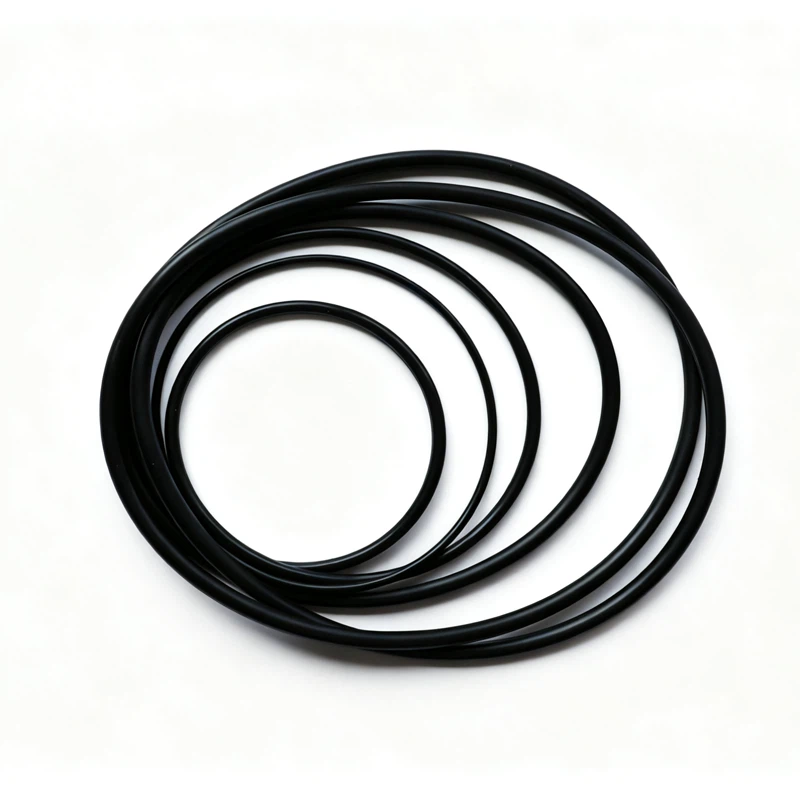
In addition to Mechanical Waterproof Rubber Strip, we also offer a range of other sealing products, including Mechanical O Ring and Oil Resistant Mechanical Gasket. These products are designed to provide reliable sealing solutions for various mechanical applications, and they also benefit from high tensile strength and other important mechanical properties.
Conclusion
Tensile strength is a critical factor that affects the performance, durability, and reliability of a mechanical waterproof rubber strip. By choosing a strip with high tensile strength and good resistance to environmental factors, you can ensure that your mechanical system remains protected and operational for longer periods. As a supplier of high-quality mechanical sealing products, we are committed to providing our customers with the best possible solutions for their sealing needs. If you have any questions or need assistance in selecting the right rubber strip for your application, please do not hesitate to contact us. We look forward to working with you to meet your sealing requirements and help you achieve optimal performance in your mechanical systems.
References
- ASTM D412 - Standard Test Methods for Vulcanized Rubber and Thermoplastic Elastomers - Tension
- ISO 37 - Rubber, vulcanized or thermoplastic - Determination of tensile stress - strain properties


