


Can mechanical dustproof O rings be used in water - based environments?
As a seasoned supplier of Mechanical Dustproof O Rings, I often encounter inquiries from customers regarding the suitability of our products in water - based environments. This is a crucial question, as the wrong choice of sealing components can lead to equipment failure, increased maintenance costs, and even safety hazards. In this blog post, I will delve into the factors that determine whether mechanical dustproof O rings can be used in water - based settings and provide some practical guidance.

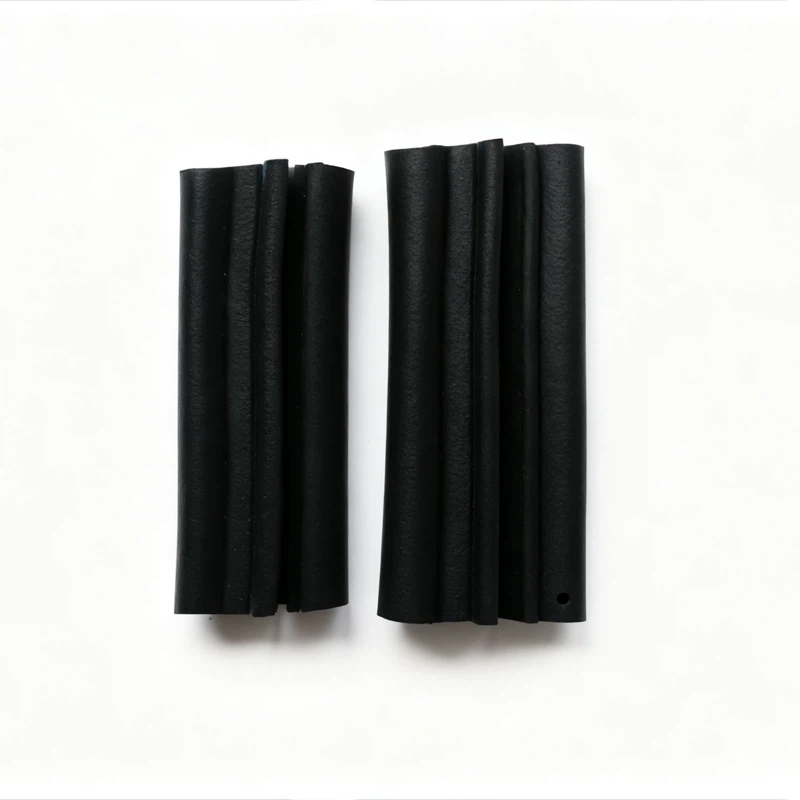
Understanding Mechanical Dustproof O Rings
Mechanical dustproof O rings are designed primarily to prevent the ingress of dust, dirt, and other solid particles into mechanical systems. They are typically made from various elastomeric materials such as nitrile rubber (NBR), silicone rubber (VMQ), fluorocarbon rubber (FKM), and ethylene - propylene diene monomer (EPDM). Each material has its own unique properties, including hardness, chemical resistance, temperature resistance, and compression set.
The basic function of a dustproof O ring is to create a tight seal between two mating surfaces, such as a shaft and a housing. When properly installed, it forms a barrier that keeps contaminants out and lubricants in, thereby extending the service life of the equipment. However, the question remains: can these dustproof O rings also withstand the challenges posed by water - based environments?
Factors Affecting the Use of Dustproof O Rings in Water - Based Environments
- Material Compatibility
- Different elastomers have varying degrees of resistance to water and water - based chemicals. For example, nitrile rubber (NBR) is a popular choice for dustproof applications due to its good oil resistance and mechanical properties. However, it has limited resistance to water, especially at high temperatures or in the presence of certain chemicals. Prolonged exposure to water can cause NBR O rings to swell, lose their elasticity, and eventually fail.
- On the other hand, ethylene - propylene diene monomer (EPDM) is known for its excellent water resistance. It can withstand continuous immersion in water without significant degradation, making it a suitable option for water - based environments. Silicone rubber (VMQ) also has good water resistance and is often used in applications where high - temperature stability is required. Fluorocarbon rubber (FKM) offers exceptional chemical resistance, including resistance to many water - based chemicals, but it is relatively expensive.
- Water Quality
- The quality of the water in the environment can have a significant impact on the performance of dustproof O rings. Pure water is generally less aggressive than water containing dissolved salts, acids, alkalis, or other contaminants. For instance, seawater is highly corrosive due to its high salt content, which can accelerate the degradation of O ring materials. Industrial wastewater may contain a variety of chemicals that can react with the elastomer, leading to swelling, hardening, or cracking.
- Temperature and Pressure
- Temperature and pressure are important factors to consider when using dustproof O rings in water - based environments. High temperatures can increase the rate of chemical reactions between the O ring material and water or other substances, while high pressures can cause the O ring to extrude or deform. Each elastomer has a specific temperature and pressure range within which it can perform optimally. For example, some elastomers may become brittle at low temperatures, while others may lose their shape at high temperatures.
- Dynamic or Static Application
- Whether the O ring is used in a dynamic or static application also affects its performance in water - based environments. In a dynamic application, such as a rotating shaft seal, the O ring is subjected to continuous movement and friction, which can generate heat and wear. This requires the O ring to have good abrasion resistance and low friction coefficients. In a static application, such as a flange seal, the O ring mainly needs to maintain its sealing integrity under pressure.
Applications Where Dustproof O Rings Can Be Used in Water - Based Environments
- Household Appliances
- Many household appliances, such as washing machines, dishwashers, and water heaters, use O rings to seal water - containing components. In these applications, the water is usually clean and at relatively low temperatures and pressures. EPDM or silicone O rings are commonly used due to their good water resistance and flexibility. For example, an EPDM O ring can be used to seal the door of a washing machine, preventing water from leaking out during the washing cycle.
- Water Treatment Systems
- Water treatment systems, including filters, pumps, and valves, often require reliable sealing solutions to prevent water leakage. Depending on the type of water treatment process, different elastomers may be selected. For example, in a reverse osmosis system, where the water is relatively pure, NBR or EPDM O rings may be sufficient. However, in a system that treats wastewater containing chemicals, FKM O rings may be needed for their superior chemical resistance.
- Marine and Aquatic Equipment
- Marine and aquatic equipment, such as boats, submarines, and underwater sensors, operate in water - based environments. These applications require O rings that can withstand the harsh conditions of seawater, including high salt content, pressure, and temperature variations. Silicone or FKM O rings are often used due to their excellent water and chemical resistance. For instance, a silicone O ring can be used to seal the hatch of a submarine, ensuring watertightness.
When Dustproof O Rings May Not Be Suitable for Water - Based Environments
- High - Pressure and High - Temperature Water Systems
- In high - pressure and high - temperature water systems, such as steam boilers or hydraulic systems, the conditions are extremely demanding for O rings. Most dustproof O rings are not designed to withstand the combination of high pressure, high temperature, and water. Specialized sealing materials, such as graphite or metal gaskets, may be required instead.
- Chemically Aggressive Water Environments
- If the water in the environment contains highly corrosive chemicals, such as strong acids or alkalis, most standard dustproof O rings will not be able to withstand the chemical attack. In these cases, custom - made O rings made from exotic materials or with special coatings may be necessary.
Guidance for Choosing the Right O Ring for Water - Based Environments
- Evaluate the Environment
- Before selecting a dustproof O ring for a water - based environment, it is essential to evaluate the specific conditions, including water quality, temperature, pressure, and the presence of chemicals. This information will help determine the most suitable elastomer material.
- Consider the Application
- Whether the application is dynamic or static, and the level of movement and friction involved, should also be taken into account. Dynamic applications may require O rings with better abrasion resistance and low friction coefficients.
- Consult with an Expert
- If you are unsure which O ring material is best for your application, it is advisable to consult with an O ring supplier or a sealing expert. They can provide you with professional advice based on their experience and knowledge of different elastomers and applications.
As a supplier of Mechanical Dustproof O Rings, we also offer a range of related products, such as Mechanical Waterproof Rubber Strip and Mechanical Insulating Rubber Strip, which can be used in various water - based and other applications.
If you are looking for reliable sealing solutions for your water - based applications, we are here to help. Our team of experts can assist you in choosing the right O ring or rubber strip based on your specific requirements. Contact us today to discuss your project and start a successful partnership.
References
- "Elastomers for Sealing Applications" by John Doe, published in the Journal of Sealing Technology.
- "Handbook of Elastomers" edited by Jane Smith, published by ABC Publishing Company.
- "Sealing Technology in Water - Based Systems" by Tom Brown, presented at the International Conference on Sealing Applications.


