


Hey there! As a supplier of Oil Resistant Mechanical Gaskets, I often get asked a bunch of questions about these little but crucial components. One question that pops up quite frequently is, "Are oil resistant mechanical gaskets resistant to ozone?" Well, let's dive right into it and find out.
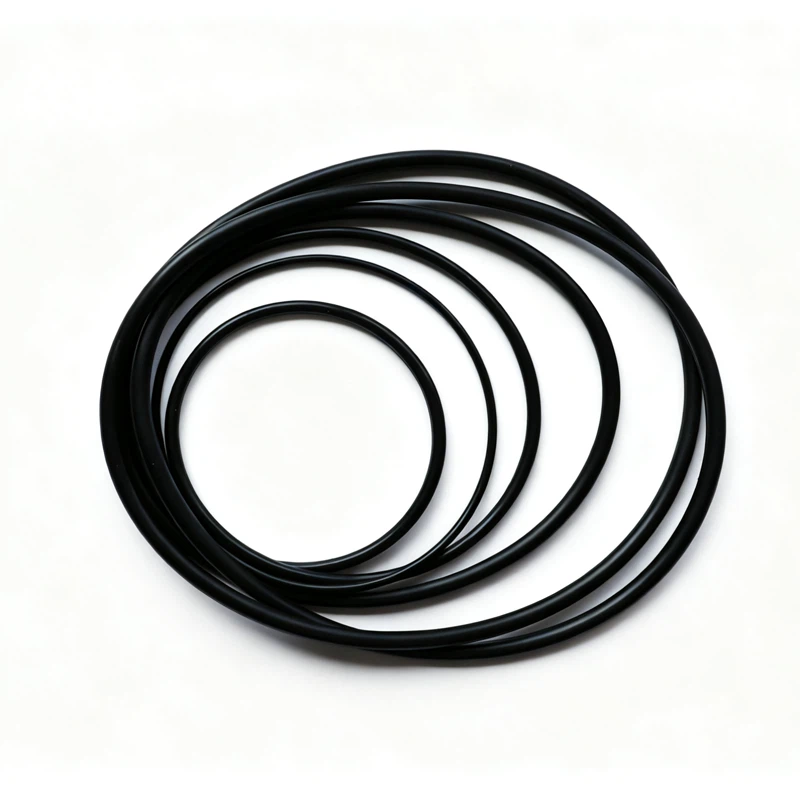
First off, let's understand what oil resistant mechanical gaskets are. These gaskets are designed to withstand contact with oil and other petroleum - based products without degrading. They're used in a wide range of applications, from automotive engines to industrial machinery. You can check out more about them on our website Oil Resistant Mechanical Gasket.
Now, ozone is a highly reactive gas. It's a form of oxygen with three atoms instead of the usual two. Ozone can be found in the Earth's upper atmosphere, where it protects us from the sun's harmful UV rays. But at ground - level, it can be a real problem for many materials. Ground - level ozone is formed through chemical reactions between pollutants emitted by cars, power plants, and other industrial sources.
When it comes to the resistance of oil resistant mechanical gaskets to ozone, it depends on a few factors. The material of the gasket plays a huge role. Different materials have different levels of ozone resistance.
Common Materials and Their Ozone Resistance
Nitrile Rubber (NBR)
Nitrile rubber is one of the most commonly used materials for oil resistant mechanical gaskets. It has excellent oil resistance, which is why it's so popular in the automotive and industrial sectors. However, its ozone resistance is not so great. Nitrile rubber is prone to cracking when exposed to ozone. The double bonds in its molecular structure are vulnerable to attack by ozone molecules. Over time, these attacks can lead to the formation of cracks on the surface of the gasket, which can compromise its sealing ability.
Fluorocarbon Rubber (FKM)
Fluorocarbon rubber, also known as Viton, is another material used for oil resistant gaskets. This rubber has outstanding oil resistance, as well as excellent ozone resistance. The fluorine atoms in its molecular structure create a stable and protective barrier that shields the rubber from ozone attack. So, if you're in an environment where ozone exposure is a concern, FKM gaskets are a great choice. You can find some high - quality FKM Mechanical O Ring on our site.
Ethylene Propylene Diene Monomer (EPDM)
EPDM rubber is known for its good ozone resistance. It has a saturated molecular structure, which means there are fewer double bonds for ozone to react with. EPDM gaskets can withstand long - term exposure to ozone without significant degradation. In addition to ozone resistance, EPDM also has good water resistance, making it suitable for applications where the gasket may be exposed to both ozone and water. Check out our Mechanical Waterproof Rubber Strip made from EPDM.
Environmental Factors Affecting Ozone Resistance
The concentration of ozone in the environment is a major factor. Higher ozone concentrations will cause more rapid degradation of the gasket. For example, in an industrial area with high levels of air pollution, the ozone concentration can be much higher than in a rural area. So, gaskets used in industrial settings need to have better ozone resistance.
The temperature also matters. Higher temperatures can accelerate the chemical reactions between ozone and the gasket material. If a gasket is exposed to both high ozone levels and high temperatures, the degradation process will be even faster.
The duration of exposure is another important factor. A gasket that is exposed to ozone for a short period may not show significant damage, but long - term exposure can lead to serious problems.
Testing for Ozone Resistance
To ensure that our oil resistant mechanical gaskets meet the required ozone resistance standards, we conduct various tests. One common test is the ozone chamber test. In this test, the gasket samples are placed in a chamber filled with a controlled amount of ozone. The temperature and humidity in the chamber are also regulated. The samples are then left in the chamber for a specific period, and their condition is monitored regularly. Any signs of cracking or degradation are noted, and the results are used to evaluate the ozone resistance of the gasket material.
Importance of Ozone Resistance in Different Applications
Automotive Industry
In the automotive industry, gaskets are used in engines, transmissions, and other components. These gaskets are often exposed to oil, as well as ozone in the air. If the gaskets are not ozone - resistant, they can crack and leak, which can lead to oil spills and engine malfunctions. For example, a cracked gasket in the engine can allow oil to leak out, reducing the lubrication in the engine and potentially causing serious damage.

Industrial Machinery
Industrial machinery also relies on oil resistant gaskets for proper operation. In industrial settings, there may be higher levels of ozone due to pollution from manufacturing processes. Gaskets that are not ozone - resistant can fail prematurely, leading to downtime and costly repairs. For instance, in a chemical processing plant, a leaking gasket can cause the release of hazardous chemicals, which is a serious safety hazard.
Conclusion
So, to answer the question "Are oil resistant mechanical gaskets resistant to ozone?", it's not a simple yes or no. It depends on the material of the gasket, the environmental conditions, and the duration of exposure. If you're in an environment with high ozone levels, it's important to choose a gasket material with good ozone resistance, such as fluorocarbon rubber or EPDM.
As a supplier of Oil Resistant Mechanical Gaskets, we offer a wide range of gaskets made from different materials to meet your specific needs. Whether you need a gasket for an automotive application or an industrial one, we've got you covered. If you're interested in purchasing our gaskets or have any questions about ozone resistance or other properties, feel free to reach out and start a procurement discussion. We're here to help you find the best sealing solution for your project.
References
- "Rubber Technology Handbook" by Werner Hofmann
- "Elastomers and Rubber Compounding Materials" by B. D. Croll


