


As a supplier of mechanical seal strips, one question that frequently arises in discussions with our clients is whether these products are resistant to ozone. Ozone is a highly reactive gas that can be found in various environments, such as industrial settings and outdoor areas affected by pollution or electrical discharges. Its presence can cause significant degradation to many materials, leading to concerns about the long - term performance of mechanical seal strips.
The Impact of Ozone on Materials
Ozone, with its molecular formula of O₃, is a strong oxidizing agent. When ozone comes into contact with organic materials, it can initiate a series of chemical reactions. These reactions typically involve the breakage of double bonds in polymers, which are the building blocks of many rubber - based mechanical seal strips.
The degradation process starts as ozone molecules reacts with the unsaturated carbon - carbon double bonds present in the polymer chains. This leads to the formation of ozonides, which are unstable compounds. Over time, these ozonides break down, causing chain scission in the polymer. As a result, the physical properties of the material, such as its flexibility, strength, and sealing ability, deteriorate. Visible signs of ozone damage include the appearance of surface cracks, which can start small and gradually grow larger, ultimately compromising the integrity of the seal.
Factors Affecting Ozone Resistance in Mechanical Seal Strips
The ozone resistance of mechanical seal strips depends on several factors, primarily the type of material used in their manufacturing. Different rubber compounds have varying degrees of susceptibility to ozone attack.
Material Selection
- Neoprene (Polychloroprene): Neoprene is a synthetic rubber that offers good resistance to ozone. It has a relatively stable chemical structure that is less prone to reaction with ozone compared to some other rubbers. The presence of chlorine atoms in the polymer chain provides a certain level of protection against ozone degradation. Mechanical seal strips made from neoprene can withstand moderate levels of ozone exposure for extended periods without significant damage. For applications in environments with low to moderate ozone concentrations, such as some indoor industrial settings, neoprene seal strips are a reliable choice.
- EPDM (Ethylene Propylene Diene Monomer): EPDM is another rubber material known for its excellent ozone resistance. It has a fully saturated polymer backbone, which means there are few or no double bonds available for ozone to react with. This makes EPDM seal strips highly resistant to ozone attack, even in harsh outdoor environments where ozone levels can be relatively high due to sunlight and pollution. EPDM seal strips are commonly used in applications like automotive weatherstripping and outdoor machinery enclosures.
- Silicone Rubber: Silicone rubber also exhibits good ozone resistance. Its unique chemical structure, based on silicon - oxygen bonds, provides inherent stability against ozone. Silicone seal strips can maintain their physical properties in the presence of ozone, making them suitable for applications where ozone resistance is required along with other properties such as high - temperature resistance or electrical insulation.
In addition to material selection, other factors can influence ozone resistance:
- Additives: Manufacturers often incorporate anti - ozone agents, also known as antiozonants, into the rubber compounds during the production of mechanical seal strips. These additives work by reacting with ozone before it can reach the polymer chains, thereby protecting the material from degradation. Antiozonants can significantly enhance the ozone resistance of seal strips, especially in materials that are more susceptible to ozone attack.
- Environmental Conditions: The concentration of ozone in the environment, as well as the temperature and humidity, can affect the rate of ozone degradation. Higher ozone concentrations and elevated temperatures generally accelerate the degradation process. For example, in industrial areas with high levels of air pollution and warm temperatures, mechanical seal strips may experience more rapid ozone - induced damage compared to cooler and cleaner environments.
Testing for Ozone Resistance
To ensure the quality and ozone resistance of our mechanical seal strips, we conduct a series of tests. One of the most common tests is the ozone chamber test. In this test, samples of the seal strips are placed in a chamber filled with a controlled concentration of ozone at a specified temperature and humidity. The samples are then observed over a period of time for the appearance of cracks or other signs of degradation.
The test results are evaluated based on industry - standard criteria, such as the number and size of cracks, and the overall change in the physical properties of the samples. By comparing the performance of different materials and formulations in the ozone chamber, we can select the most suitable materials for specific applications and ensure that our products meet or exceed the required ozone resistance standards.
Applications Where Ozone Resistance Matters
There are numerous applications where ozone resistance is a crucial factor for mechanical seal strips.
- Automotive Industry: In automotive applications, mechanical seal strips are used in various parts of the vehicle, such as doors, windows, and engine compartments. These seals are exposed to ozone - rich environments, both indoors during vehicle storage and outdoors during driving. Ozone - resistant seal strips help to maintain the integrity of the vehicle's seals, preventing water, dust, and noise from entering the cabin. For example, Mechanical O Ring can be used in automotive engines, where it needs to withstand ozone exposure along with high - temperature and oil - contact conditions.
- Industrial Equipment: Industrial machinery is often operated in environments where ozone may be present, either due to electrical discharges, such as in high - voltage equipment, or as a result of chemical processes. Mechanical seal strips in these applications need to be ozone - resistant to ensure proper sealing and prevent leakage of fluids or gases. Mechanical Insulating Rubber Strip can be used in electrical enclosures, providing both insulation and ozone protection.
- Outdoor Structures: Seals used in outdoor structures, such as buildings, bridges, and water treatment facilities, are exposed to the elements, including ozone in the atmosphere. Ozone - resistant seal strips help to maintain the energy efficiency of buildings by preventing air leakage and protecting the integrity of the structure from water infiltration. Oil Resistant Mechanical Gasket can also be used in outdoor applications where oil resistance and ozone resistance are both required, such as in some types of machinery installed in outdoor industrial sites.
Choosing the Right Ozone - Resistant Mechanical Seal Strips
When selecting mechanical seal strips for applications where ozone resistance is required, several factors should be considered:
- Ozone Concentration: Evaluate the expected ozone concentration in the application environment. If the ozone levels are relatively low, a less expensive material with moderate ozone resistance may be sufficient. However, for high - ozone environments, such as near industrial pollution sources or in areas with high levels of sunlight and electrical activity, a material with high ozone resistance, such as EPDM or silicone, should be chosen.
- Other Requirements: In addition to ozone resistance, consider other performance requirements, such as temperature resistance, chemical resistance, and mechanical properties. For example, if the seal strip will be exposed to oil or chemicals, an oil - and ozone - resistant material like the Oil Resistant Mechanical Gasket may be necessary.
- Application Specifics: Take into account the specific requirements of the application, such as the shape and size of the seal, the type of movement or stress it will experience, and the sealing pressure. Different applications may require different types of seal strips, and our team of experts can help you choose the most appropriate product based on your specific needs.
Conclusion
In conclusion, the ozone resistance of mechanical seal strips is a critical consideration in many applications. By understanding the factors that affect ozone resistance, such as material selection, additives, and environmental conditions, and by conducting proper testing, we can ensure that our mechanical seal strips provide reliable performance in ozone - rich environments.

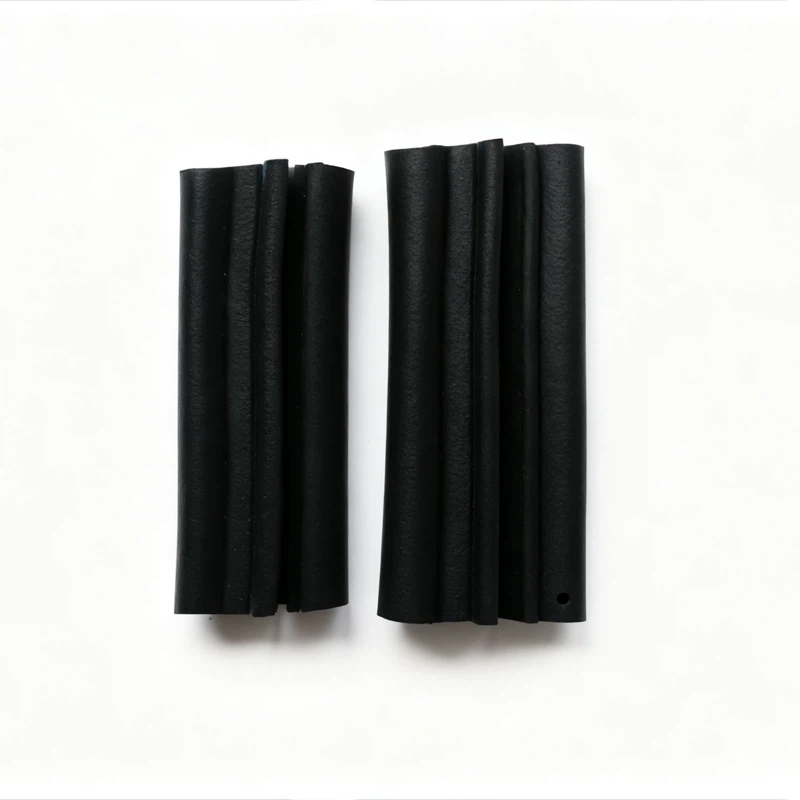
If you are in need of high - quality ozone - resistant mechanical seal strips for your specific application, we are here to assist you. Our extensive range of products, including Mechanical O Ring, Mechanical Insulating Rubber Strip, and Oil Resistant Mechanical Gasket, offers solutions for various industries and applications. Contact us today to discuss your requirements and explore how our mechanical seal strips can meet your needs. Our team of experts is ready to provide technical support and guidance throughout the procurement process.
References
- ASTM International. "Standard Test Method for Rubber Deterioration - Surface Ozone Cracking in a Chamber." ASTM D1149.
- "Rubber Technology Handbook," Werner Hoffman. Hanser Gardner Publications.
- "The Science and Technology of Rubber," James E. Mark, Burak Erman, C. Patrick Roy. Academic Press.


