


Hey there! As a supplier of Mechanical O Rings, I often get asked whether these little guys are suitable for use in salt - water environments. Well, let's dive right in and explore this topic.
First off, what are Mechanical O Rings? They're these circular seals made from various materials. You can check out more about them on our website: Mechanical O Ring. These O - rings are used in a ton of applications, from plumbing to industrial machinery, to keep fluids or gases from leaking.
Now, salt - water is a whole different ballgame. It's not just regular water; it's got all these dissolved salts in it, which makes it more corrosive. When an O - ring is exposed to salt - water, it can face a few challenges.
One of the main issues is corrosion. The salts in the water can react with the material of the O - ring. For example, if the O - ring is made of a metal - reinforced material, the metal can start to rust. Rust not only weakens the O - ring but can also cause it to lose its sealing properties. And once the seal is compromised, you've got leaks, which can lead to all sorts of problems, like equipment failure or environmental contamination.
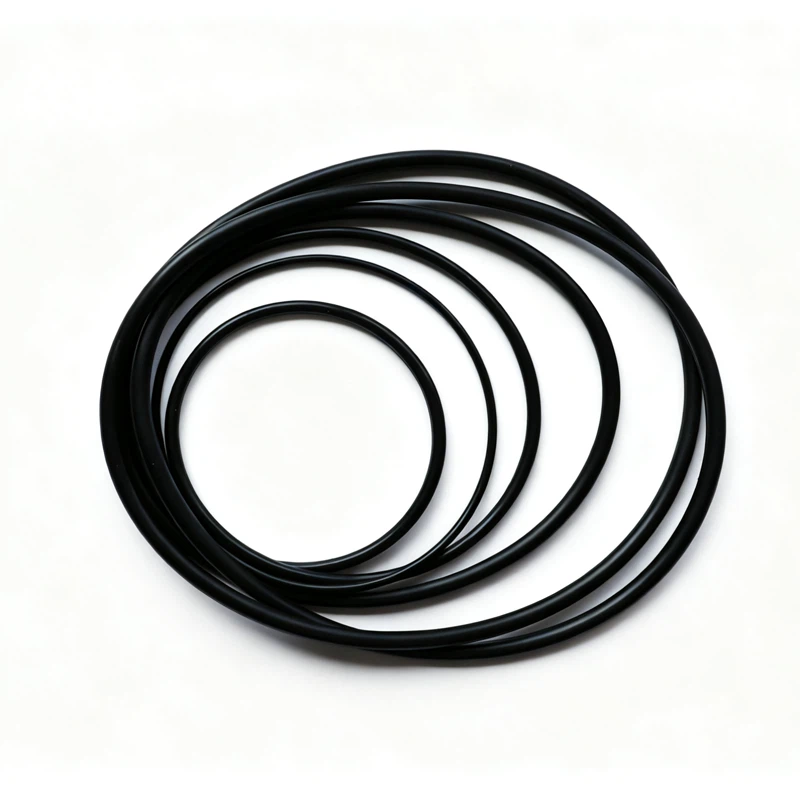
Another problem is swelling. Some rubber materials used in O - rings can absorb water, especially salt - water. When they absorb the water, they swell up. This might seem like it could create a better seal at first, but in the long run, it can cause the O - ring to deform. A deformed O - ring won't fit properly in its groove, and again, you end up with leaks.
But it's not all doom and gloom. There are some types of Mechanical O Rings that are well - suited for salt - water environments. For instance, O - rings made from EPDM (Ethylene Propylene Diene Monomer) rubber are a great choice. EPDM has excellent resistance to water, including salt - water. It doesn't swell much when exposed to water, and it's also resistant to oxidation and ozone, which are common issues in marine environments.
Viton is another material that works well. Viton O - rings are known for their high - temperature resistance and chemical resistance. They can withstand the harsh conditions of salt - water and are often used in applications where there's a lot of heat and chemical exposure, like in some industrial salt - water processing plants.
If you're dealing with a less - demanding salt - water application, you might also consider using silicone O - rings. Silicone is flexible, has good sealing properties, and is relatively resistant to water. However, it's not as resistant to high - temperature and chemical exposure as Viton or EPDM.
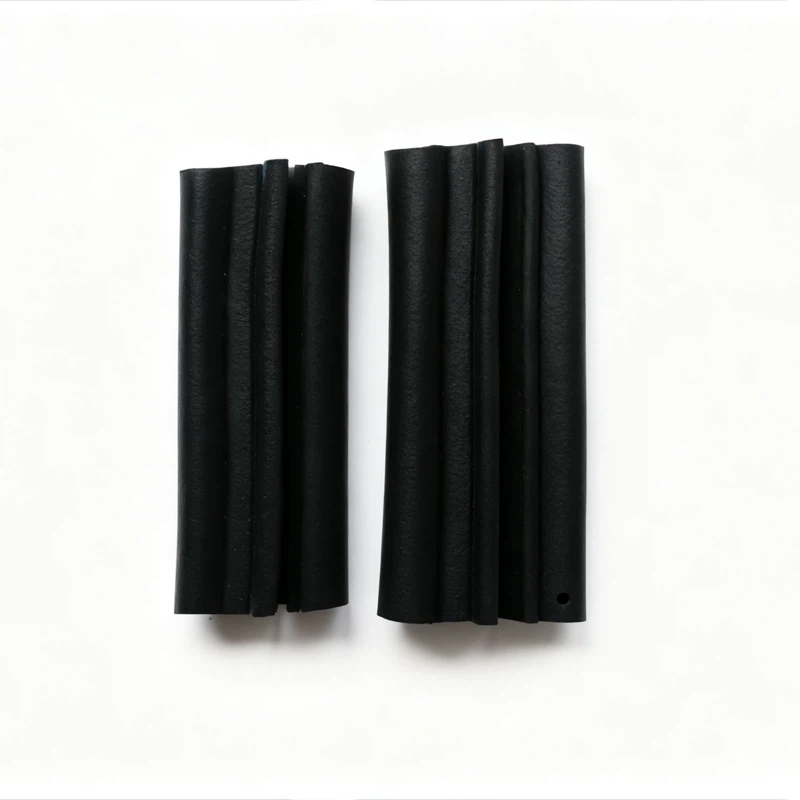
Now, let's talk about some related products. We also offer Mechanical Insulating Rubber Strip and Mechanical Waterproof Rubber Strip. These strips can be used in conjunction with Mechanical O Rings in salt - water applications. The insulating rubber strip can help protect the O - ring and the surrounding equipment from electrical interference, while the waterproof rubber strip can provide an extra layer of protection against water ingress.
When choosing an O - ring for a salt - water environment, it's important to consider a few factors. First, think about the temperature of the salt - water. If it's a high - temperature application, you'll need an O - ring material that can handle the heat, like Viton. Second, consider the pressure. High - pressure applications require O - rings that can maintain their shape and sealing properties under pressure.
You also need to think about the frequency of exposure. If the O - ring is going to be constantly submerged in salt - water, you'll need a more durable and resistant material. On the other hand, if it's only going to be exposed occasionally, you might have more options.
In conclusion, Mechanical O Rings can be suitable for use in salt - water environments, but it all depends on the type of material they're made of and the specific conditions of the application. We've got a wide range of O - rings and related products that can meet your needs in salt - water applications. Whether you're in the marine industry, an industrial plant, or just doing some DIY plumbing work near the ocean, we've got you covered.
If you're interested in learning more about our products or have any questions about which O - ring is right for your salt - water application, don't hesitate to reach out. We're here to help you make the best choice and ensure that your equipment runs smoothly and leak - free. Let's start a conversation and see how we can work together to solve your sealing needs.
References:
- "Handbook of Elastomers" by B. D. Croll
- "Sealing Technology" by John H. Bickford


