


Hey there! As a supplier of automotive shock absorbing components, I've seen firsthand how crucial proper storage is for these parts. In this blog, I'll share the correct way to store automotive shock absorbing components to ensure their quality and longevity.
Why Proper Storage Matters
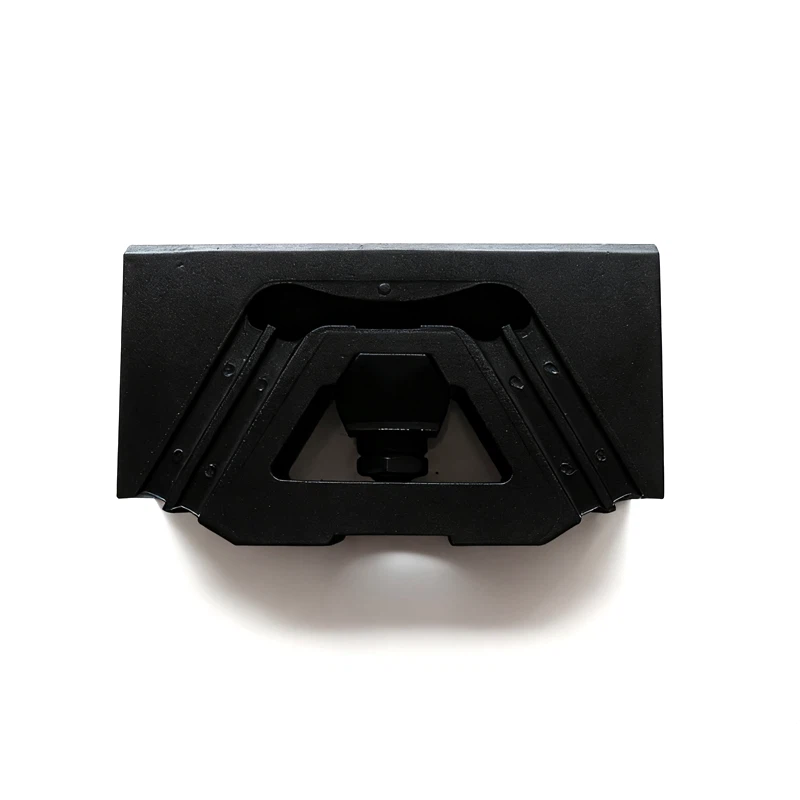
Before we dive into the storage methods, let's talk about why it's so important to store these components correctly. Automotive shock absorbing components, like Automotive Engine Mount and Shock Absorbers for Automotive Suspension Systems, are designed to withstand a lot of stress and wear. However, improper storage can lead to issues like corrosion, damage to seals, and changes in the material properties. This can affect their performance and even lead to premature failure when they're installed in a vehicle.
Ideal Storage Conditions
Temperature
Temperature plays a huge role in the storage of shock absorbing components. Most of these parts are made of materials that can be sensitive to extreme temperatures. High temperatures can cause the rubber components to degrade faster, while low temperatures can make them brittle.
It's best to store these components in a temperature - controlled environment. A temperature range between 10°C and 30°C (50°F and 86°F) is ideal. This helps maintain the integrity of the materials and ensures that the components are in good condition when they're ready to be used.
Humidity
Humidity is another factor that can have a negative impact on shock absorbing components. High humidity can lead to corrosion, especially on metal parts. Moisture can seep into the components and cause rust, which can weaken the structure and affect the performance.
To prevent this, the storage area should have a relative humidity of around 40% - 60%. You can use dehumidifiers in areas where the humidity tends to be high, or desiccant packs in storage containers to absorb excess moisture.
Light
Exposure to direct sunlight or UV light can also damage the materials in shock absorbing components. UV rays can break down the polymers in rubber parts, causing them to crack and lose their elasticity.
Store the components in a dark or low - light environment. If possible, use opaque storage containers or cover them with protective sheets to shield them from light.
Storage Location
Clean and Dry Space
The storage location should be clean and dry. Dust, dirt, and debris can accumulate on the components and cause abrasion or damage. Make sure the storage area is regularly cleaned to prevent this.
Avoid storing the components in areas where there is a lot of water or chemical spills. Chemicals can react with the materials in the components and cause damage.
Elevated and Stable Surface
It's a good idea to store the shock absorbing components on an elevated surface. This helps prevent water from pooling around them in case of a spill or flood. Also, the surface should be stable to prevent the components from falling or getting damaged due to vibrations.
Packaging
Original Packaging
Whenever possible, keep the components in their original packaging. The original packaging is designed to protect the components during shipping and storage. It usually has padding and protection that can prevent scratches and impacts.
Additional Protection
If the original packaging is not available, you can use alternative packaging materials. Bubble wrap can be used to cushion the components, and plastic bags can be used to protect them from dust and moisture. Make sure the packaging is sealed properly to keep out contaminants.
Handling During Storage
Avoid Stacking
Don't stack the shock absorbing components too high. Stacking can put too much pressure on the bottom components, which can cause deformation, especially in rubber parts. If you need to stack them, make sure to use proper spacers or supports between the layers to distribute the weight evenly.
No Over - Compression
When storing components, avoid over - compressing them. Some components, like springs, can lose their elasticity if they're compressed for too long. Make sure to store them in a way that allows them to maintain their natural shape.

Inspection and Maintenance
Regular Checks
Regularly inspect the stored components. Look for signs of damage, such as cracks, corrosion, or leaks. If you notice any issues, take appropriate action immediately. This could include replacing the damaged components or taking steps to prevent further damage.
Lubrication
Some shock absorbing components may require occasional lubrication during storage. Check the manufacturer's recommendations for specific components and apply the appropriate lubricant if needed. This can help prevent rust and ensure smooth operation when the components are installed.
Labeling and Organization
Clear Labeling
Label each storage container or area clearly. Include information such as the type of component, part number, and date of storage. This makes it easier to find the components when needed and helps keep track of their age.
Organized Storage
Keep the components organized by type, size, or application. This makes it more efficient to manage the inventory and reduces the chances of misplacing or damaging the components.
Transporting from Storage
When it's time to transport the shock absorbing components from the storage area to the installation site, take extra care. Use proper handling equipment to avoid dropping or hitting the components. Secure them in the transportation vehicle to prevent movement and damage during transit.
In conclusion, proper storage of automotive shock absorbing components is essential for maintaining their quality and performance. By following these guidelines, you can ensure that the components are in good condition when they reach the end - user.
If you're in the market for high - quality automotive shock absorbing components, or if you have any questions about storage or our products, feel free to reach out to us. We're always happy to help with your procurement needs and ensure that you get the best components for your vehicles.
References
- "Automotive Component Storage Best Practices" - Industry Research Report
- Manufacturer's guidelines for automotive shock absorbing components


