


In the dynamic landscape of industrial applications, the question of whether a mechanical insulating rubber strip can be used in electrical applications is both relevant and crucial. As a seasoned supplier of Mechanical Insulating Rubber Strip, I've witnessed firsthand the diverse needs of various industries and the potential of these rubber strips in different settings. In this blog, we'll explore the properties of mechanical insulating rubber strips, their suitability for electrical applications, and the factors to consider when making a decision.
Understanding Mechanical Insulating Rubber Strips
Mechanical insulating rubber strips are engineered to provide insulation and protection in mechanical systems. They are typically made from high - quality rubber compounds that offer excellent physical properties such as flexibility, durability, and resistance to wear and tear. These strips are commonly used in machinery, automotive, and construction industries to seal gaps, prevent leakage, and reduce vibration.
The primary function of a mechanical insulating rubber strip is to act as a barrier between different components. It can isolate mechanical parts from each other, reducing the transfer of heat, noise, and mechanical energy. This is achieved through the rubber's inherent insulating properties, which are determined by its chemical composition and structure.
Properties of Mechanical Insulating Rubber Strips
1. Electrical Insulation
One of the key properties that make mechanical insulating rubber strips potentially suitable for electrical applications is their electrical insulation capabilities. Rubber is a well - known electrical insulator, which means it resists the flow of electric current. The degree of electrical insulation depends on the type of rubber used and its formulation. For example, silicone rubber has excellent electrical insulation properties, making it a popular choice for electrical applications. It can withstand high voltages without conducting electricity, which is essential for preventing electrical short - circuits and ensuring the safety of electrical systems.
2. Thermal Insulation
In addition to electrical insulation, mechanical insulating rubber strips also offer thermal insulation. This is important in electrical applications where heat generation is a concern. By reducing the transfer of heat, the rubber strip can help maintain the optimal operating temperature of electrical components, preventing overheating and extending their lifespan.
3. Chemical Resistance
Mechanical insulating rubber strips are often exposed to various chemicals in industrial environments. They need to be resistant to chemicals such as oils, solvents, and acids to ensure their long - term performance. A rubber strip with good chemical resistance will not degrade or lose its insulating properties when in contact with these substances, making it reliable for use in electrical applications where chemical exposure may occur.
4. Mechanical Strength
The mechanical strength of a rubber strip is crucial for its performance in any application. In electrical applications, the strip may be subjected to mechanical stress, such as bending, stretching, or compression. A mechanically strong rubber strip can withstand these stresses without breaking or losing its shape, ensuring a proper seal and insulation over time.
Suitability for Electrical Applications
Based on the properties mentioned above, mechanical insulating rubber strips can indeed be used in many electrical applications. Here are some common scenarios where they are employed:
1. Electrical Enclosures
Electrical enclosures are used to house electrical components and protect them from the environment. A mechanical insulating rubber strip can be used to seal the enclosure, preventing the ingress of dust, moisture, and foreign objects. This not only provides physical protection but also electrical insulation, reducing the risk of electrical shock and short - circuits.
2. Cable Management
In cable management systems, rubber strips can be used to insulate and protect cables. They can be wrapped around cables to prevent abrasion and reduce the transfer of heat. Additionally, the rubber strip can act as a barrier against moisture, which can cause corrosion and damage to the cables.
3. Switchgear and Circuit Breakers
Switchgear and circuit breakers are critical components in electrical systems. Mechanical insulating rubber strips can be used to insulate the contacts and other parts of these devices, preventing arcing and ensuring reliable operation. The rubber strip's flexibility allows it to conform to the shape of the components, providing a tight seal and effective insulation.
Factors to Consider
While mechanical insulating rubber strips have many advantages for electrical applications, there are several factors that need to be considered before using them:
1. Voltage Rating
The voltage rating of the rubber strip is an important consideration. Different electrical applications require different levels of electrical insulation. It is essential to choose a rubber strip with a voltage rating that is suitable for the specific application to ensure safety and performance.
2. Temperature Range
The temperature range in which the rubber strip will operate is also crucial. Some rubber compounds may lose their insulating properties at high or low temperatures. It is necessary to select a rubber strip that can withstand the expected temperature variations in the electrical application.
3. Environmental Conditions
The environmental conditions, such as humidity, chemical exposure, and UV radiation, can affect the performance of the rubber strip. For example, in a humid environment, a rubber strip with good moisture resistance should be chosen. In an environment with high levels of UV radiation, a UV - resistant rubber strip is required.
Other Related Products
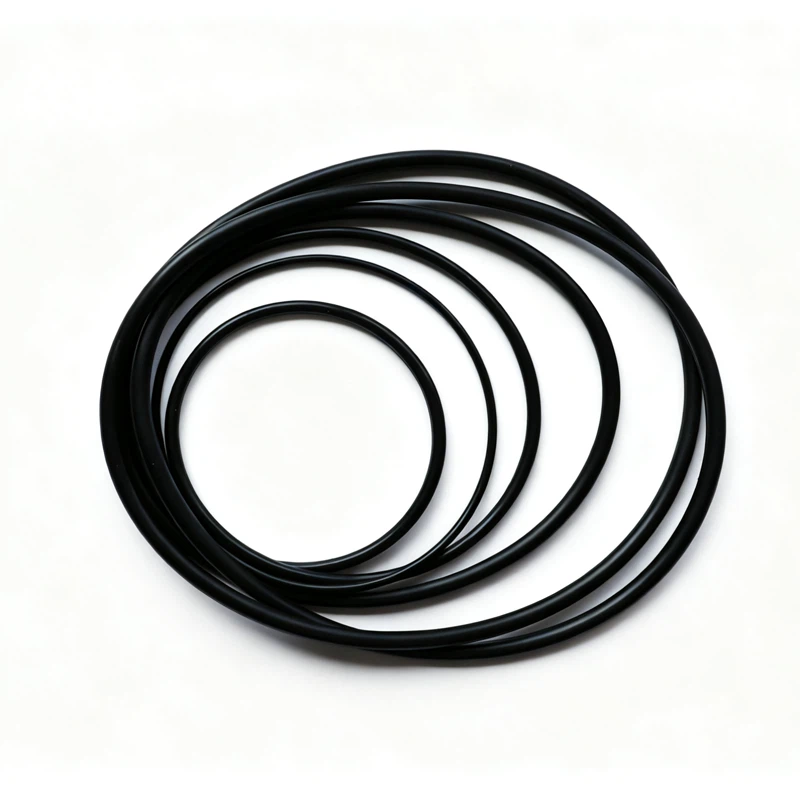
In addition to Mechanical Insulating Rubber Strip, we also offer Mechanical Waterproof Rubber Strip and Mechanical O Ring. These products can also be used in electrical applications in combination with the insulating rubber strip to provide comprehensive sealing and protection solutions.
The mechanical waterproof rubber strip is designed to prevent the ingress of water and moisture, which is essential in electrical applications where water can cause damage to the components. The mechanical O ring, on the other hand, is used to provide a tight seal between two mating surfaces, ensuring the integrity of the electrical system.
Conclusion
In conclusion, mechanical insulating rubber strips can be effectively used in electrical applications due to their excellent electrical insulation, thermal insulation, chemical resistance, and mechanical strength. However, it is important to carefully consider factors such as voltage rating, temperature range, and environmental conditions to ensure the proper selection and use of the rubber strip.

If you are in need of high - quality mechanical insulating rubber strips or other related products for your electrical applications, we are here to help. Our team of experts can provide you with professional advice and customized solutions to meet your specific requirements. Contact us today to start the procurement and negotiation process, and let us work together to find the best sealing and insulation solutions for your projects.
References
- Rubber Technology Handbook, Werner Hofmann
- Electrical Insulation Materials: Properties and Applications, John W. McBane


