


O-rings are unsung heroes in the world of mechanical engineering. These small, circular gaskets play a crucial role in sealing applications across a wide range of industries, from aerospace to automotive, and even household appliances. As a Mechanical O Ring supplier, I've seen firsthand how important it is to protect these vital components from various forms of damage, especially ozone damage. In this blog post, I'll share some tips on how to safeguard mechanical O-rings from ozone, ensuring their longevity and optimal performance.
Understanding Ozone Damage
Before we dive into the preventive measures, let's first understand what ozone is and how it can harm O-rings. Ozone is a highly reactive gas composed of three oxygen atoms, naturally present in the Earth's atmosphere and produced by electrical equipment and industrial processes. When O-rings are exposed to ozone, it can cause the rubber material to crack, harden, and lose its elasticity over time. This not only compromises the sealing ability of the O-ring but can also lead to leaks and system failures.

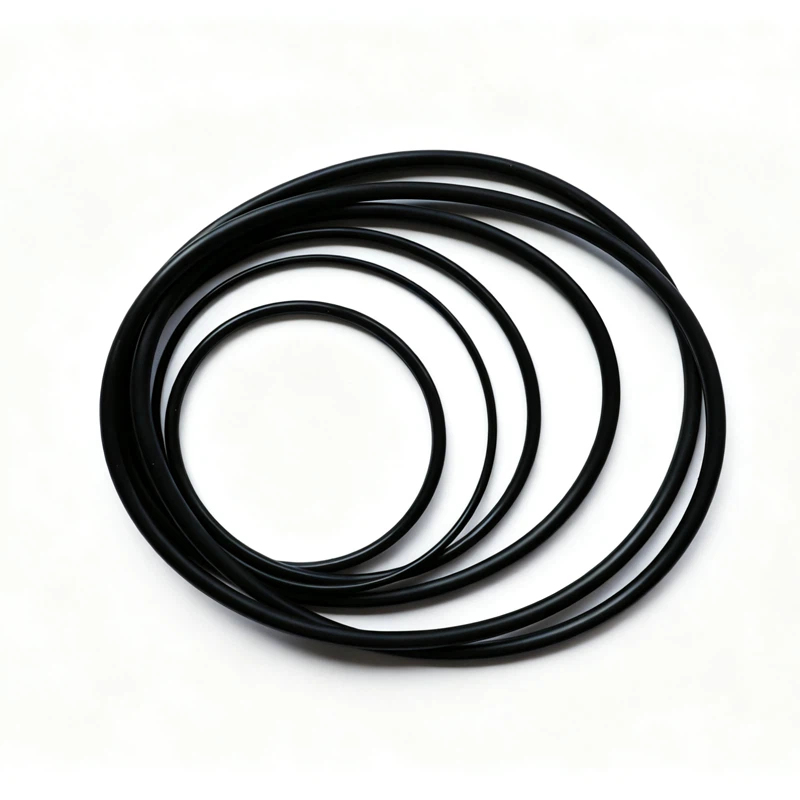
Choosing the Right Rubber Material
The first line of defense against ozone damage is choosing the right rubber material for your O-rings. Some rubber compounds are more resistant to ozone than others, so it's essential to select a material that suits your specific application and operating environment.
- EPDM (Ethylene Propylene Diene Monomer): EPDM is a popular choice for O-rings exposed to ozone-rich environments. It offers excellent ozone resistance, as well as good heat, water, and chemical resistance. EPDM O-rings are commonly used in outdoor applications, such as in automotive weather stripping and plumbing systems. You can find high-quality EPDM Mechanical O Ring on our website.
- Neoprene (Polychloroprene): Neoprene is another rubber material known for its ozone resistance. It also provides good oil and chemical resistance, making it suitable for a variety of industrial applications. Neoprene O-rings are often used in hydraulic systems, where they need to withstand exposure to oil and ozone.
- Silicone: Silicone rubber has excellent ozone resistance and can maintain its flexibility over a wide temperature range. It's commonly used in applications where high-temperature resistance and low compression set are required, such as in the food and beverage industry and medical devices.
Storage and Handling
Proper storage and handling of O-rings are crucial to prevent ozone damage. Here are some best practices to follow:
- Store in a Cool, Dark Place: Ozone is more reactive at higher temperatures and in the presence of light. Therefore, it's best to store O-rings in a cool, dark environment, away from direct sunlight and heat sources. A temperature-controlled storage room or cabinet is ideal.
- Avoid Contact with Ozone Sources: Keep O-rings away from electrical equipment, motors, and other sources of ozone. These include fluorescent lights, photocopiers, and air purifiers, which can generate ozone as a byproduct of their operation.
- Use Ozone-Resistant Packaging: When storing or transporting O-rings, use ozone-resistant packaging materials, such as polyethylene bags or containers. These materials can help protect the O-rings from ozone exposure and prevent damage during storage and transit.
Surface Protection
Applying a protective coating or lubricant to the surface of the O-ring can provide an additional layer of defense against ozone damage. Here are some options to consider:
- Ozone-Resistant Lubricants: Ozone-resistant lubricants can help reduce friction and wear on the O-ring surface, while also protecting it from ozone attack. These lubricants are typically made from silicone or fluoropolymer materials and can be applied directly to the O-ring before installation.
- Coatings: Some specialized coatings can be applied to the O-ring surface to enhance its ozone resistance. These coatings can form a protective barrier that prevents ozone from coming into contact with the rubber material. Examples of such coatings include fluoropolymer coatings and plasma coatings.
Environmental Control
In some cases, it may be necessary to control the operating environment to minimize ozone exposure. Here are some strategies to consider:
- Ventilation: Proper ventilation is essential to remove ozone from the air and prevent its accumulation. Ensure that your work area is well-ventilated, especially if you're working with equipment that generates ozone. You can use exhaust fans or air purifiers to improve air circulation.
- Ozone Scrubbers: Ozone scrubbers are devices that can remove ozone from the air by converting it back into oxygen. These devices can be installed in areas where ozone levels are high, such as in industrial facilities or laboratories.
- Sealing Systems: Design your sealing systems to minimize ozone ingress. This can include using gaskets and seals with good ozone resistance, as well as ensuring proper installation and maintenance of the sealing components. For example, you can use Mechanical Insulating Rubber Strip to seal gaps and prevent ozone from entering the system.
Regular Inspection and Maintenance
Regular inspection and maintenance of your O-rings are essential to detect and address any signs of ozone damage early. Here are some tips to keep in mind:
- Visual Inspection: Periodically inspect the O-rings for signs of cracking, hardening, or discoloration. These are all indicators of ozone damage and may require replacement of the O-ring.
- Performance Testing: Conduct performance testing on your O-rings to ensure that they're still functioning properly. This can include pressure testing, leak testing, and compression set testing.
- Replacement Schedule: Establish a regular replacement schedule for your O-rings based on their operating conditions and manufacturer's recommendations. This can help prevent unexpected failures and ensure the reliability of your equipment.
Conclusion
Protecting mechanical O-rings from ozone damage is essential to ensure their longevity and optimal performance. By choosing the right rubber material, practicing proper storage and handling, applying surface protection, controlling the environment, and conducting regular inspection and maintenance, you can minimize the risk of ozone damage and extend the life of your O-rings.
As a Mechanical O Ring supplier, we offer a wide range of high-quality O-rings made from ozone-resistant rubber materials, as well as Oil Resistant Mechanical Gasket and other sealing products to meet your specific needs. If you're interested in learning more about our products or have any questions about protecting O-rings from ozone damage, don't hesitate to reach out. We're here to help you find the best sealing solutions for your applications and assist you in the procurement process.
References
- ASTM International. "Standard Test Methods for Rubber Property - Resistance to Ozone Cracking." ASTM D1149.
- Gates Corporation. "O-Ring Handbook."
- Rubber Manufacturers Association. "Rubber Product Data."


