


As a supplier of Oil Resistant Mechanical Gaskets, I've witnessed firsthand the challenges that come with maintaining the integrity of these crucial components. Delamination, a common issue in oil-resistant gaskets, can lead to leaks, reduced performance, and costly downtime. In this blog post, I'll share some practical strategies to prevent the delamination of oil-resistant mechanical gaskets, ensuring their long-term reliability and effectiveness.
Understanding Delamination in Oil Resistant Mechanical Gaskets
Before we delve into prevention strategies, it's essential to understand what delamination is and what causes it. Delamination occurs when the layers of a gasket separate from each other, compromising its sealing properties. In oil-resistant gaskets, this can be particularly problematic because the oil can seep through the separated layers, leading to leaks and potential damage to the machinery.
Several factors can contribute to delamination in oil-resistant mechanical gaskets. These include:
- Chemical Compatibility: The gasket material must be compatible with the oil it comes into contact with. If the material is not resistant to the specific type of oil, it can degrade over time, leading to delamination.
- Temperature and Pressure: Extreme temperatures and pressures can cause the gasket material to expand and contract, leading to stress and potential delamination.
- Installation Errors: Incorrect installation, such as over-tightening or uneven tightening of bolts, can create stress points in the gasket, increasing the risk of delamination.
- Aging and Wear: Over time, the gasket material can deteriorate due to normal wear and tear, making it more susceptible to delamination.
Prevention Strategies
Now that we understand the causes of delamination, let's explore some strategies to prevent it.
Choose the Right Material
The first step in preventing delamination is to choose the right gasket material. When selecting a gasket, consider the type of oil it will be exposed to, as well as the temperature and pressure conditions of the application. For example, nitrile rubber is a popular choice for oil-resistant gaskets because it offers excellent resistance to a wide range of oils and fuels. Fluoroelastomers, such as Viton, are also highly resistant to oil and can withstand high temperatures, making them suitable for more demanding applications.
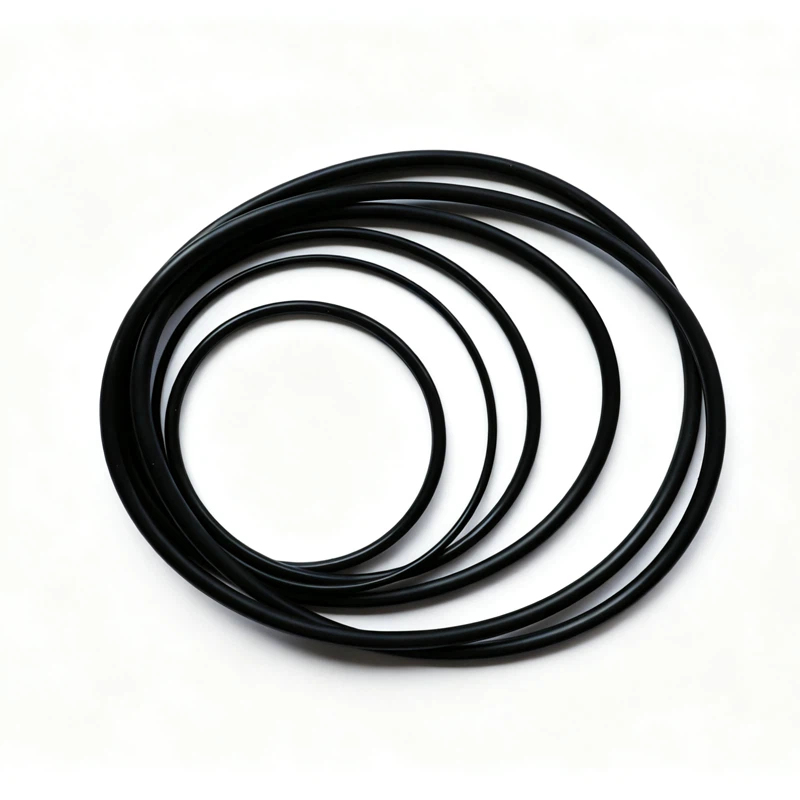
As a supplier, we offer a wide range of Oil Resistant Mechanical Gaskets made from different materials to meet the specific needs of our customers. Our team of experts can help you select the right gasket material based on your application requirements.

Ensure Proper Installation
Proper installation is crucial for preventing delamination. Follow the manufacturer's installation instructions carefully, and use the correct tools and techniques. When tightening bolts, use a torque wrench to ensure that the bolts are tightened to the recommended torque specification. Over-tightening can cause the gasket to compress too much, leading to stress and potential delamination. On the other hand, under-tightening can result in a poor seal, allowing oil to leak.
In addition to proper tightening, make sure that the gasket is installed evenly and without any wrinkles or folds. Any unevenness or damage to the gasket during installation can create stress points, increasing the risk of delamination.
Monitor and Maintain the Gaskets
Regular monitoring and maintenance of the gaskets can help detect early signs of delamination and prevent it from becoming a more serious problem. Inspect the gaskets regularly for any signs of damage, such as cracks, tears, or separation of the layers. If you notice any issues, replace the gasket immediately to prevent leaks and further damage to the machinery.
It's also important to keep the gaskets clean and free from contaminants. Oil and other contaminants can accumulate on the gasket surface over time, which can degrade the gasket material and increase the risk of delamination. Use a clean, dry cloth to wipe the gaskets regularly, and avoid using harsh chemicals or solvents that can damage the gasket material.
Control Temperature and Pressure
As mentioned earlier, extreme temperatures and pressures can cause stress on the gasket material, leading to delamination. To prevent this, try to control the temperature and pressure conditions of the application as much as possible. Use cooling systems or insulation to regulate the temperature, and ensure that the pressure within the system is within the recommended range.
If the application involves high temperatures or pressures, consider using gaskets that are specifically designed to withstand these conditions. For example, Mechanical O Rings made from high-temperature-resistant materials can provide excellent sealing performance in demanding applications.
Use Protective Coatings
Applying a protective coating to the gasket surface can help prevent delamination by providing an additional layer of protection against oil, chemicals, and other contaminants. There are several types of protective coatings available, including silicone, PTFE, and epoxy coatings. These coatings can improve the gasket's resistance to wear and tear, as well as its chemical and temperature resistance.
However, it's important to choose the right coating for the specific application. Some coatings may not be compatible with certain gasket materials or oils, so it's essential to consult with a gasket expert before applying a coating.
Conclusion
Preventing the delamination of oil-resistant mechanical gaskets is essential for ensuring the reliable operation of machinery and preventing costly downtime. By choosing the right gasket material, ensuring proper installation, monitoring and maintaining the gaskets, controlling temperature and pressure, and using protective coatings, you can significantly reduce the risk of delamination.
As a supplier of Oil Resistant Mechanical Gaskets, we are committed to providing our customers with high-quality products and expert advice. If you have any questions or need assistance in selecting the right gasket for your application, please don't hesitate to contact us. We look forward to working with you to meet your sealing needs.
References
- "Gasket Selection Guide," Industrial Sealing Products Association.
- "Rubber Materials for Sealing Applications," Rubber Manufacturers Association.
- "Best Practices for Gasket Installation," Fluid Sealing Association.


