


Are mechanical insulating rubber strips suitable for use in clean rooms?
As a supplier of mechanical insulating rubber strips, I often encounter inquiries from clients in various industries regarding the suitability of our products for specific environments. One such environment that has been a topic of frequent discussion is clean rooms. Clean rooms are highly specialized spaces where strict control of airborne particles, temperature, humidity, and other environmental factors is essential. In this blog post, I will explore whether mechanical insulating rubber strips are suitable for use in clean rooms, considering their properties, potential benefits, and possible challenges.
Properties of Mechanical Insulating Rubber Strips
Mechanical insulating rubber strips are typically made from high - quality rubber materials, such as EPDM (Ethylene Propylene Diene Monomer), silicone, or neoprene. These materials offer a range of properties that make them attractive for many applications.
- Insulation: One of the primary functions of these rubber strips is insulation. They can effectively reduce heat transfer, which is crucial in maintaining a stable temperature within a clean room. For example, in semiconductor manufacturing clean rooms, precise temperature control is necessary to ensure the accuracy of the manufacturing process. Mechanical insulating rubber strips can help in minimizing heat loss or gain through walls, doors, and other structural components.
- Sealing: Rubber strips have excellent sealing properties. They can create a tight seal against air, dust, and moisture infiltration. In a clean room, preventing the entry of contaminants is of utmost importance. A well - sealed environment helps in maintaining the required level of cleanliness. For instance, our Oil Resistant Mechanical Gasket can be used in areas where there is a risk of oil contamination, providing both insulation and sealing functions.
- Flexibility: Rubber is a flexible material, which allows the strips to conform to irregular surfaces. This flexibility is beneficial when installing the strips around complex shapes or in areas with slight dimensional variations. In clean rooms, where custom - built equipment and fixtures are common, the ability of the rubber strips to adapt to different geometries is a significant advantage.
Benefits of Using Mechanical Insulating Rubber Strips in Clean Rooms
- Enhanced Energy Efficiency: By reducing heat transfer, mechanical insulating rubber strips can contribute to significant energy savings. In a clean room, where the heating, ventilation, and air - conditioning (HVAC) systems operate continuously to maintain the desired environmental conditions, any reduction in energy consumption can lead to cost savings over time.
- Improved Contamination Control: The sealing properties of the rubber strips play a crucial role in preventing the entry of contaminants. This helps in maintaining the cleanliness class of the clean room, which is essential for industries such as pharmaceuticals, biotechnology, and microelectronics. For example, in a pharmaceutical clean room, even a small amount of dust or microbial contamination can compromise the quality of the products being manufactured.
- Noise Reduction: Rubber has sound - absorbing properties. In a clean room, where the operation of equipment can generate noise, the use of mechanical insulating rubber strips can help in reducing noise levels. This creates a more comfortable working environment for the personnel and can also prevent noise - related interference with sensitive equipment.
Challenges and Considerations
- Particle Generation: Although rubber strips are generally effective in sealing against external contaminants, there is a potential for particle generation from the rubber material itself. During installation, movement, or due to wear and tear, small rubber particles may be released into the air. In a clean room, even a few particles can be a concern. To address this issue, it is important to choose rubber materials with low particle - shedding characteristics. For example, some high - purity silicone rubber strips are designed to minimize particle generation.
- Chemical Compatibility: Clean rooms often use a variety of chemicals for cleaning, sterilization, and manufacturing processes. The rubber strips must be chemically compatible with these substances. Otherwise, they may degrade over time, losing their insulating and sealing properties. Our Mechanical Waterproof Rubber Strip is formulated to be resistant to a wide range of chemicals, ensuring long - term performance in clean room environments.
- Static Electricity: In some clean room applications, static electricity can be a problem. Rubber materials can generate static charges, which may attract dust particles or cause damage to sensitive electronic components. Anti - static treatments can be applied to the rubber strips to mitigate this issue.
Case Studies
Let's take a look at a couple of real - world examples to illustrate the use of mechanical insulating rubber strips in clean rooms.
In a semiconductor manufacturing clean room, the company was facing issues with temperature fluctuations and dust infiltration. After installing our mechanical insulating rubber strips around the doors and windows of the clean room, they noticed a significant improvement in temperature stability. The sealing properties of the strips also reduced the amount of dust entering the room, leading to fewer production defects.
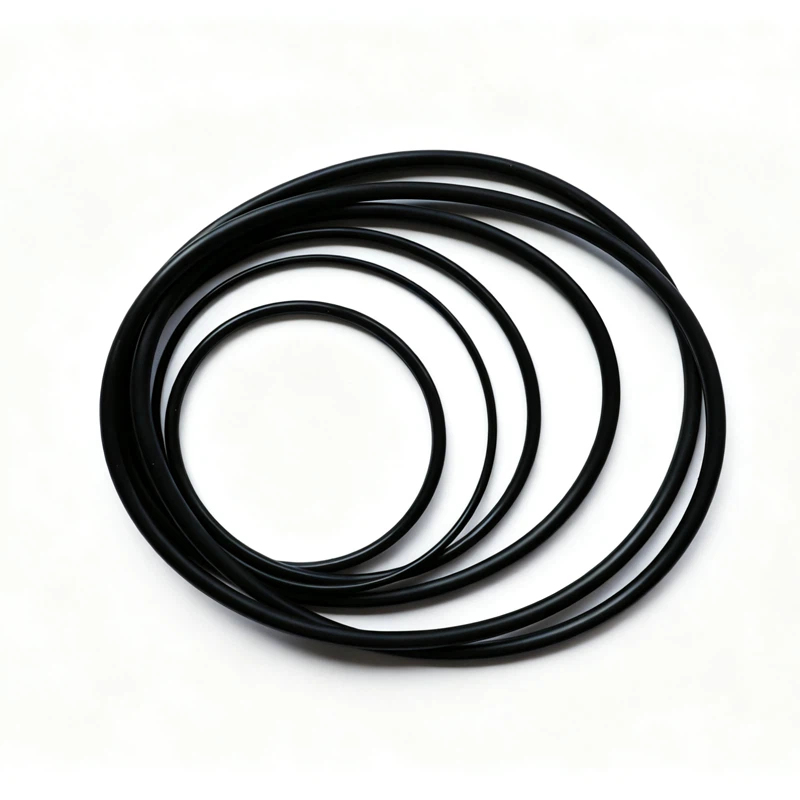
In a pharmaceutical research clean room, the need for noise reduction and contamination control was critical. Our Mechanical O Ring was used in the equipment connections. The O - rings not only provided a tight seal against contaminants but also helped in reducing the noise generated by the equipment, creating a more conducive research environment.
Conclusion
In conclusion, mechanical insulating rubber strips can be suitable for use in clean rooms, provided that the appropriate materials are selected and the potential challenges are addressed. Their insulation, sealing, flexibility, and other properties offer numerous benefits in terms of energy efficiency, contamination control, and noise reduction.

If you are considering using mechanical insulating rubber strips in your clean room, I encourage you to contact us for more information. Our team of experts can help you select the right products based on your specific requirements. Whether it's choosing the appropriate rubber material, ensuring chemical compatibility, or addressing particle - generation concerns, we are here to assist you. Let's start a conversation to find the best solution for your clean room needs.
References
- "Cleanroom Technology Handbook" by William D. Hesketh
- "Rubber Technology and Manufacture" by Michael Morton
- Industry reports on clean room design and maintenance from leading research firms.


